An Oprah threat to your health and the health of your children? Have you been misled?

Find out at www.Oprahcide.com or www.DeathByOprah.com

See FTC complaints about Oprah and her diet experts at www.JailForOprah.com

Wednesday, February 17, 2010

BJOG Release: The Pregnancy Complications Of Maternal Obesity

Stop the presses! Old news is rediscovered.
New research to be published in BJOG: An International Journal of Obstetrics and Gynaecology points to a strong association between maternal obesity and adverse pregnancy outcomes.

Previous research has shown that maternal obesity is associated with pregnancy complications such as hypertensive disorders, gestational diabetes and maternal death; and fetal/neonatal complications such as stillbirth, birth defects, macrosomia (big baby syndrome) and shoulder dystocia.

The data for this research was from the Hyperglycaemia and Adverse Pregnancy Outcomes study (HAPO) which examined the associations of mild hyperglycaemia with pregnancy outcomes. There was strict selection and researchers looked at the records of 23,316 pregnant women from 15 centres in nine countries. All participants had their BMI measured and underwent a standard oral glucose tolerance test (OGTT) between 24 and 32 weeks gestation. Samples of their random plasma glucose (RPG) were taken at 34 - 37 weeks. Ethnicity was recorded and lifestyle data were also collated (eg. smoking levels, alcohol consumption, history of diabetes and hypertension etc) using standardised forms. After delivery (within 72 hours), the size of the babies was assessed using standard measures.

Researchers found that increased maternal obesity was strongly related to adverse pregnancy outcomes. For the mother, it includes a higher chance of having pre-eclampsia and delivery by caesarean section. For the newborn, it resulted in having a higher birthweight, increased fat deposits and neonatal hyperinsulinemia (excess levels of insulin in the blood). In this study, preterm delivery was less frequent with higher BMI, a finding that, as researchers note, is consistent with other large studies.
Early nutritional child abuse, plain and simple.

Dissuade fat people from getting pregnant and have them pay more if they do.

Men who eat soy may have lower lung cancer risk

There is a better solution to the lung cancer risk thing.
Men who don't smoke and eat a lot of soy may have a lower risk of lung cancer, according to a new study.

Soy contains isoflavones, which act similarly to the hormone estrogen, and may have anti-cancer qualities in hormone-related cancers of the breast and prostate, the researchers note in the American Journal of Clinical Nutrition. Cells in the lung have properties that suggest they may also respond to isoflavones.
Stop smoking, fools.

Obesity Linked to Clear-Cell Renal Cell Carcinoma

A real (not) pisser, eh, fatsos.
Obesity is associated with an increased risk for clear-cell renal cell carcinoma (RCC), according to the results of a case series reported in the January issue of BJU International.
Kudos.

Tuesday, February 16, 2010

Exercise Program Associated With Denser Bones, Lower Fall Risk In Older Women

Not exercise, but training.
Women age 65 or older assigned to an exercise program for 18 months appeared to have denser bones and a reduced risk of falls, but not a reduced cardiovascular disease risk, compared with women in a control group. Wolfgang Kemmler, Ph.D., and colleagues at Freidrich-Alexander University of Erlangen-Nuremberg, Erlangen, Germany, studied a total of 246 older women. Half of the women exercised four days per week with special emphasis on intensity while the other half participated in a wellness program that focused on well-being.

Among the 227 women who completed the study, the 115 who exercised had higher bone density in their spine and hip, and also had a 66 percent reduced rate of falls. Fractures due to falls were twice as common in the controls vs. the exercise group (12 vs. six). However, the 10-year risk of cardiovascular disease-assessed using the Framingham Risk Calculator, which incorporates factors such as cholesterol level, blood pressure and presence of diabetes-decreased in both groups and did not differ between the two.
Learn how to train - then do it.

Insufficient Counseling For Obesity And Smoking Due To Cost To Patients

IMHO, the whole counseling thing is overrated and useless.

Still, the fatsos and smokers would find more money to pay for their counseling if the rest of us paid less to rescue them from their diseases of choice.

And the more they pay for counseling, the less they have to spend on Calories and cancer sticks.
Reducing obesity and smoking have become national priorities in the United States. Research has shown that intensive counseling can positively impact each problem. However, because such counseling is typically not covered by medical insurance, cost can be a barrier. In a study published in the March 2010 issue of the American Journal of Preventive Medicine, researchers from Virginia Commonwealth University, Richmond, Virginia, found that when primary care clinicians and community counselors collaborated to offer free counseling services to patients, there was an overwhelming positive response. Yet, when the same services were offered at a cost to the patient, there was a significant drop in participation.
Drop in participation?

Let them drop dead from lack of participation.

See how well that motivates 'em.

In Light Of Research About Teens' Heart Disease Risk, Lifestyle Changes Critical

Hot off the presses - news! (not)
Pamphlets detailing the warning signs associated with heart disease may soon end up in an unexpected location: your child's pediatrician's office. According to new research from the Centers for Disease Control and Prevention (CDC), one in five American teens has at least one risk factor for developing heart disease in adulthood.

With heart health front-and-center this month in honor of American Heart Month, most media coverage will focus on at-risk adults. But that's a mistake according to Sarah Wally, a dietitian with the National Association for Margarine Manufacturers.
Parents who abuse their children and the National Association for Margarine Manufacturers composing the team - what could go wrong?

Monday, February 15, 2010

Male breast reduction gaining popularity; fastest growing cosmetic surgery in U.K., up in U.S.


Rule Titannia or Moob Britannia.
Women aren't the only ones unhappy with too-large breasts. For the second year in a row, male breast reduction surgery was the fastest growing segment of the cosmetic surgery industry in England, according to the BBC News.

And while such a jump in cases hasn't been seen in the U.S., it's definitely a popular operation here, too, cosmetic surgeons say.

"We've seen an increase," says cosmetic surgeon Dr. Robert Cattani, board member of the American Academy of Cosmetic Surgery. "In the last five years, I personally have done 200 to 300 male breast reductions per year."

The number of breast reductions in England went from 323 in 2008 to 581 last year, which is an 80% increase, according to the British Association of Aesthetic Plastic Surgeons.

In the U.S., there were 18,000 male breast reductions for men in 2008, the last year for which figures are available, estimates the American Society of Plastic Surgeons.

Among cosmetic surgery procedures for men in the U.S. breast reduction ranks fourth, after nose "reshaping," eyelid surgery and liposuction, according to the American Society of Plastic Surgeons.

Though the number of male breast reductions in the U.S. in 2008 showed a 16% decrease from the previous year, this could be for economic reasons. Male breast reduction is generally not covered by health insurance.

In England, one surgeon said that the pressure on males to have their breasts surgically reduced came from men's magazines.

"Many men are feeling the pressure from men's magazines that weren't even being published five or six years ago," Rajiv Grover, a consultant plastic surgeon, told the BBC. "In addition, they are just realizing that they can get something done about it."

Excess breast tissue, or gynecomastia, can be due to obesity, says Dr. Malcolm Roth, director of plastic surgery at Maimonides Medical Center.

"Obesity impacts the size of a man's breasts," he says. "I caution any patient before they get surgery to make certain they have exhausted all possibilities to try to correct with other means, like trying to lose weight."
Foget the stiff upper lip.

Go for the perky tits, guys.


That's more like it.

Most Adults Go Online for Health Information

What could go wrong here?
Just over half of U.S. adults under 65 used the Internet to look up health information over the course of a year, according to the first National Health Interview Survey to collect data on health information technology...

The study found 51% of adults 18 to 64 used the Internet to look up health information at some point over a 12-month period. Previous research had shown that over 60% of all adults in the U.S. had, at some point, used the Internet to search for health or medical information.

Not surprisingly, 18- to 49-year-olds were more likely than older adults to use health information technology.

Women were more likely than men to use the Internet for health information in all surveyed categories, including:

Chatting online about health topics (2.5% of men versus 4.1% of women)
Researching health information (43.4% versus 58%)
Communicating with healthcare providers (4.2% versus 5.6%) or scheduling an appointment (1.8% versus 3.5%) by e-mail
Refilling prescriptions online (5.3% versus 6.6%)
The survey was conducted by the CDC and the National Center for Health Statistics.
We all know how reliable the Internet is.

Young Adults With Type 2 Diabetes Could Benefit From New Research

Type 2 diabetes is fatso diabetes. Young fatsos WILL benefit from weight loss, there is no reason for "new research."
New research on Type 2 diabetes by Trinity College Dublin researchers could benefit young adults (aged 18-25 years) with the condition. The research led by Professor John Nolan of Trinity College Dublin and St James's Hospital, Dublin, has just been published online in the leading international journal, Diabetes Care¹.

The study findings demonstrate new mechanisms in muscle cells that may explain severe insulin resistance which is the body's decreased ability to respond to the effects of insulin, and a reduced response to aerobic exercise in young obese patients with Type 2 diabetes. These important findings will contribute in the longterm to the development of more specific treatments for young people with Type 2 diabetes.
Caloric intake control is the best "longterm" treatment.

Sunday, February 14, 2010

Obese Kids at Risk for Early Death

How many more reports re: nutritional child abuse do we need to finally act?
Children with obesity, glucose intolerance, or high blood pressure may be at risk of premature death, according to a longitudinal study of Native Americans.
Youngsters from two Arizona tribes who had the highest body mass index (BMI) were more than twice as likely as those with the lowest BMI to die prematurely from endogenous causes, and those with the worst glucose intolerance had a 73% higher risk of death than those with the best control, Paul W. Franks, PhD, now of Umeå Universitet in Umeå, Sweden, and colleagues reported in the Feb. 11 issue of the New England Journal of Medicine.
Sadly, I suspect many, many more.

And even then, the powers that be will be unwilling.

Help save the kids from the abuse.

British People Too Busy To Get Physical

But they are not too busy to have the NHS pay for their fatcare.
Nearly half of adults (44 per cent) are 'too busy' to do physical activity and two out of three are not doing the recommended 30 minutes a day, according to a survey of 2,000 people.

Perhaps they can borrow some time from their legendary dental hygiene routine.

F**k these excusinators.

Resistance Training Programs Appear To Improve Some Cognitive Skills In Older Women

More benefits of training and not much time needed.
One year of once- or twice-weekly resistance training appears to improve attention and conflict resolution skills among older women. Teresa Liu-Ambrose, Ph.D., P.T., of Vancouver Coastal Health Research Institute and University of British Columbia, Vancouver, Canada, and colleagues studied 155 women age 65 to 75. Participants were randomly assigned to participate in resistance training once (54 women) or twice (52 women) weekly, whereas 49 women in a control group participated in twice-weekly balance and tone training.

After one year, women in both resistance training groups significantly improved their scores on tests of selective attention (maintaining mental focus) and conflict resolution. The program simultaneously improved muscular function in the women.

"This has important clinical implications because cognitive impairment is a major health problem that currently lacks a clearly effective pharmaceutical therapy and because resistance training is not widely adopted by seniors," the authors write.
Train.

Saturday, February 13, 2010

HHS Secretary And Surgeon General Join First Lady To Announce Plans To Combat Overweight And Obesity And Support Healthy Choices

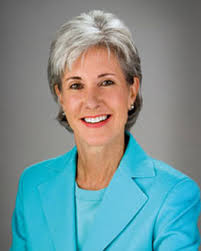
Well, this will work. Two fat women and one intended-size woman offering advice on proper weight. What could possibly go wrong?


First Lady Michelle Obama, U.S. Department of Health and Human Services (HHS) Secretary Kathleen Sebelius and U.S. Surgeon General Regina Benjamin announced plans today to help Americans lead healthier lives through better nutrition, regular physical activity, and by encouraging communities to support healthy choices. At a YMCA in Alexandria, VA, they talked directly with national and local leaders, parents and health professionals about reducing overweight and obesity in adults and children.
The First Lady recently announced that she will launch a major initiative on childhood obesity in the next few weeks and has asked HHS to play a key role. Today, HHS released The Surgeon General's Vision for a Healthy and Fit Nation. In her first release to the nation, Dr. Benjamin highlights the alarming trend of overweight and obese Americans, and asks them to join her in a grassroots effort to commit to changes that promote the health and wellness of our families and communities.
The pigs remain in charge.

Health Minister Announces Funding For Outdoor Fitness Trails For Hospital Staff, Wales

Building a pasture for the cows - build it and they will not use it.
Health Minister Edwina Hart has announced almost £50,000 of funding to install fitness trails in the grounds of two Welsh hospitals.

The outdoor schemes are being piloted at Nevill Hall Hospital, Abergavenny and Ysbyty Alltwen, Tremadog to promote healthy lifestyles to NHS staff.

The trails will be made-up of five or six fitness stations which will each have a different piece of equipment such as a cross trainer or Tai Chi spinner.

Mrs Hart said:

"We know the benefits that physical activity can have in improving both physical and mental wellbeing.

"Earlier this month, the Welsh Assembly Government launched a plan to encourage people to become more physically active - Creating an Active Wales. One of the aims of the plan is to develop a physical environment that makes it easier for people to choose to be more physically active.

"These fitness trails will provide NHS staff with the opportunity to improve and maintain their own health while setting a good example for patients and visitors."
If they really wanted to "set a good example for patients and visitors" they would be in shape without the need for a new public works project.

Midlife Exercise Associated With Better Health In Later Years

Duh.
Among women who survive to age 70 or older, those who regularly participated in physical activity during middle age appear more likely to be in better overall health. Qi Sun, M.D., Sc.D., of the Harvard School of Public Health, Brigham and Women's Hospital and Harvard Medical School, Boston, and colleagues analyzed data from 13,535 participants in the Nurses' Health Study.

The women reported their physical activity levels in 1986, at an average age of 60. Among those who had survived to age 70 or older as of 1995 to 2001, those who had higher levels of physical activity at the beginning of the study were less likely to have chronic diseases, heart surgery or any physical, cognitive or mental impairments.
So, get fit.

Friday, February 12, 2010

Michelle Obama Launches Combat Childhood Obesity Campaign


Michellesie the First Cow is gonna tell us how to deal with obesity and overweight.
At the White House on Tuesday, US President Obama signed a Presidential Memorandum establishing a task force to address the nation's growing childhood obesity epimedic, turned to his wife, First Lady Michelle Obama and said "it's done honey", and she replied "now we work".

The Taking on Childhood Obesity task force is part of the First Lady's Let's Move campaign to bring together public and private sectors within a generation to help children become more active in their daily lives and have a healthier diet so that children born today reach adulthood at a healthy weight.

The task force has 90 days in which to prepare a plan and submit it to the President. The plan must detail a coordinated strategy, identify key benchmarks, and outline a plan of action.

The First Lady said this was a moment of truth for America and that over the last three decades the rates of childhood obesity in the US had tripled and current figures show that one in three American children is now overweight or obese.

Speaking at an event later, Michelle Obama said that the words "overweight" and "obese" don't tell the full story:

"This isn't just about inches and pounds or how our kids look. It's about how our kids feel, and how they feel about themselves. It's about the impact we're seeing on every aspect of their lives," she said.
Doomed to fail.

As they say: First Fatty, heal thyself.


Childhood Obesity May Contribute To Later Onset Of Puberty For Boys

No wonder so few guys can man up to lose weight - fat guys are retarded in their development as men.
Increasing rates of obese and overweight children in the United States may be contributing to a later onset of puberty in boys, say researchers at the University of Michigan.

In a new study published in the February issue of the Archives of Pediatrics and Adolescent Medicine, researchers show that a higher body mass index during early and mid-childhood for boys is associated with later onset of puberty. This is one of the first longitudinal studies in the U.S. to examine the association between weight status and timing of puberty in boys.

"We found that increased body fatness is associated with a later onset of puberty in boys, the opposite of what we have seen in girls, as heavier girls tend to develop earlier, rather than later. Our study shows that the relationship between body fat and timing of puberty is not the same in boys as it is in girls," says U-M pediatric endocrinologist Joyce M. Lee, M.D., M.P.H., the study's lead author.
The explanation, at last.

Some Morbidly Obese People Are Missing Genes, Shows New Research

Thank Heaven. With those extra genes, they would weigh even more.
A small but significant proportion of morbidly obese people are missing a section of their DNA, according to research published February 3 in Nature. The authors of the study, from Imperial College London and ten other European Centres, say that missing DNA such as that identified in this research may be having a dramatic effect on some people's weight.

According to the new findings, around seven in every thousand morbidly obese people are missing a part of their DNA, containing approximately 30 genes. The researchers did not find this kind of genetic variation in any normal weight people.
The data show it is the "smarts" gene that is missing.

That explains a lot.

Thursday, February 11, 2010

Low IQ Among Strongest Predictors of Cardiovascular Disease -- Second Only to Cigarette Smoking in Large Population Study

Absolutely.
While lower intelligence scores -- as reflected by low results on written or oral tests of IQ -- have been associated with a raised risk of cardiovascular disease, no study has so far compared the relative strength of this association with other established risk factors such as obesity, smoking and high blood pressure. Now, a large study funded by Britain's Medical Research Council, which set out to gauge the relative importance of IQ alongside other risk factors, has found that lower intelligence scores were associated with higher rates of cardiovascular disease and total mortality at a greater level of magnitude than found with any other risk factor except smoking.
As with many other societal ills, being fat and placing one's self at greater risk of cardiovascular disease is strongly correlated with diminished intelligence.

Kudos to these researchers.

How much longer the rest of us will cater to the choices of the stupid by paying for their irresponsibility is, in part, up to us.

Fight back. Have your voice heard.

Do not stand for this ascendancy of the stupid.

And if you do, you are stupid, too.

Period.

Overweight, Obesity Up CV Risk Regardless of Metabolic Markers in Long-Term Study

It's not about the markers. It's because you are fat, fool.
Middle-aged men with the metabolic syndrome are at an increased risk of cardiovascular disease and death regardless of their body-mass index (BMI), new research shows. On the flip side of that combination, investigators also showed that overweight and obese individuals without the metabolic syndrome are at an increased risk of cardiovascular events and death.
Lose the weight. Lose the risk.

SNA Applauds President Obama's Proposed $1 Billion Increase For Child Nutrition Programs

The worse than effete folks at the SNA are at it again.
Following the release of President Barack Obama's Fiscal Year 2011 budget, which incldes a $1 billion increase for child nutrition programs, the School Nutrition Association (SNA) applauded the President and First Lady Michelle Obama for their commitment to strengthening the National School Lunch and Breakfast Programs.

President Obama's budget increase for school meals and First Lady Michelle Obama's new childhood obesity initiative highlight the importance of school nutrition issues just as Congress prepares to reauthorize the Child Nutrition Act.

"The President and First Lady recognize how crucial school meals are to the health and academic success of America's children, and school foodservice professionals commend the Administration's commitment to strengthening under-funded school nutrition programs," said School Nutrition Association President Dora Rivas, MS, RD, SNS, and executive director of Food and Child Nutrition Services for the Dallas Independent School District in Texas. "With Child Nutrition Reauthorization approaching, Congress has a critical opportunity to enhance the National School Lunch and Breakfast Programs for 31 million American children who benefit from school meals each day."

SNA has been calling on Congress to increase the school meal reimbursement to keep pace with rising costs and provide school lunch rooms with the support they need to expand offerings of fruits, vegetables and whole grains.
The SNA folks want the money.

For themselves, at least according to this observer. (SNA would likely benefit, too.)

In this matter, I believe her.

Wednesday, February 10, 2010

Majority Of Parents Don't Realize Their 4 Or 5 Year-Olds Are Overweight Or Obese

More about severely clueless, nutritionally abusive parents.
Half of the mothers who took part in a study thought that their obese four or five year-old was normal weight, as did 39 per cent of the fathers, according to the February issue of Acta Paediatrica.

When it came to overweight children, 75 per cent of mothers and 77 per cent of fathers thought that their child was normal weight.
Time to hold them accountable so they learn to raise kids that are healthier.

Otherwise, the kids are doomed.

Count On Your Waistline To Increase Your Health Care Costs

Wrong. Count on it to increase OUR health care costs.
Health complications and costs associated with obesity are well known; abdominal obesity, which is characterized by an increased waist has been shown to worsen metabolic and cardiovascular diseases and now, a study has demonstrated that a higher waist circumference is also an independent factor for increasing health care costs.
Fight back.

USPSTF Recommends Obesity Screening for Children Ages 6 to 18 Years

Doomed to fail.
The US Preventive Services Task Force (USPSTF) recommends that clinicians screen children ages 6 to 18 years for obesity and refer as appropriate to programs to improve their weight status, according to evidence-based guidelines posted online January 18 and to be published in the February print issue of Pediatrics. The statement, which is an update of the 2005 USPSTF statement about screening for overweight in children and adolescents, is accompanied by a supporting systematic review and commentary...

This evidence led the USPSTF to issue a grade B recommendation that clinicians screen children 6 years and older for obesity and provide obese children with intensive counseling and behavioral interventions designed to improve weight status, or that they refer them for such counseling and interventions...

Moderate- to high-intensity programs are defined as those in which there are more than 25 hours of contact with the child and/or family during a 6-month period. Low-intensity interventions were not associated with significant improvement in weight status.
Right. Counseling a 6 year-old will effect behavioral change when it is the parent(s) who is/are at fault.

As if.

Tuesday, February 09, 2010

Switch to Low-Fat Milk in Schools Shows Benefit

Lies.
When New York City public schools made the switch from whole milk to skim or low-fat milk, students cut their annual fat and total calorie consumption, department researchers found.

Milk-drinking students consumed 5,960 fewer calories and 619 fewer grams of fat per year after they made the switch, Philip M. Alberti, PhD, of the New York Department of Health and Mental Hygiene, and colleagues reported in the Jan. 29 issue of CDC's Morbidity & Mortality Weekly Report.

At 3,500 calories per pound, the reduction would be the equivalent of 1.7 pounds of body weight over the course of a year.
First, there are not 3500 Calories in a pound.

There are 3500 Calories in a pound of fat and it is a physical, physiological, biological and mathematical impossibility to lose one pound if someone is in a 3500 Calorie deficit.

In fact, there has never been a study that proves that a 3500 Calorie deficit will result in one pound of weight loss.

The reason: it is impossible.

To learn why, go here.

Second.

The switch did not show any benefit. All it showed was that school system-wide fewer milk Calories were consumed.

This is not the same as a benefit.

There are no data to show that the incidence of overweight/obesity decreased.

There are no data that kids got fitter or healthier.

And there is reason to believe that it made no difference in the right direction, as they would have noted it, had it.

There are just data demonstrating self-congratulations for nothing substantive.

Overweight Elderly Have Similar Mortality to Normal-Weight Elderly

Not so fast.
Current body mass index (BMI) thresholds for overweight and obesity may be overly restrictive for older people, according to the authors of a cohort study published online January 27 and in the February print edition of the Journal of the American Geriatrics Society...

Limitations of this study include observational design, measurement of height and weight only once at study entry, use of BMI as a surrogate measure of body fat, reliance on self-reported height and weight, and lack of generalizability to older people who are frail and at risk for death.
In addition to the limitations which are severe (e.g., weight was measured only at the start of the study which extended for 10 years), there are no data on morbidity, i.e., illness.

Survival is a miserable/misleading end-point when the life is spent confined to a wheelchair, on a ventilator, in a nursing facility, etc.

Though I believe that some extra weight may be good for older persons, whether overweight is good is another story.

And that one is unfinished.

Fatty Liver Raises Risk of Death

Guess who gets non-alcoholic fatty liver disease. Hint:


People with non-alcoholic fatty liver disease (NAFLD), a condition that often accompanies obesity and type 2 diabetes, have higher mortality rates than the general population, a new Swedish study found.
Kudos, fatsos.

Monday, February 08, 2010

Taxing Sugar-Sweetened Beverages

Porky Kelly Brownell, the advocate for taxing soda and "anti-junk food" activist is taken to the shed by someone other than me. This is a good example of how an IMHO crooked crusader, Kelly, makes an argument. If you can, read the entire original piece. It will take a minute or so.


...They cite a report of a 1-year trial involving students 7 to 11 years of age that showed a lower incidence of obesity in the dietary intervention group, although the difference in body-mass index was not significant. Follow-up 2 years after completion of the trial showed that the difference in the incidence of obesity was not sustained. This dietary intervention apparently only had a transient effect without affecting the long-term propensity for obesity. None of the three other long-term, randomized, controlled trials cited in the article met their primary end points; an analysis of a different subgroup within each trial was made in an attempt to show some benefit...
A good real-life example of why you should not believe what you read about weight loss in the MSM, where Kelly, other Yalies and AdipOprah experts rule the roost.

'Morbidly Obese' Dog Found Frozen to Sidewalk Slims Down

So why can't you, fat person?
A year after a "morbidly obese" dog froze to a Wisconsin sidewalk, the border collie mix has lost 40 pounds and is slowly returning to an active lifestyle.

Jiffy is still portly, but his owner said he's finally moving "like a regular dog." The dog weighed about 120 pounds when he froze to the sidewalk in December 2008 in single-digit temperatures. His dense layers of fat probably helped him survive.

Afterward a court ordered Jiffy's owner to give him up.

Patty and Peter Geise of Sheboygan Falls said when they adopted Jiffy, he could barely step over a 4-inch-high pipe. Even then he had to rest afterward.

The Sheboygan Press reported that now he walks a mile at a normal pace.

Patty Geise said it's rewarding to see how much Jiffy has improved.
Because you are dumber than a morbidly obese dog.

And/or you are foolish enough to follow the advice of AdipOprah and her experts.

Exercise Linked To Healthier Aging: Four New Studies

Not exercise - training. But the principle holds. Physical activity has benefits.
Four new studies published in a leading journal this week link exercise with healthy aging, either through reduced risk or slower progression of several age-related conditions or through improvements in overall health in older age, and detail associations between physical activity and cognitive function, bone density and overall health.

All four studies, and an accompanying editorial commentary appear in the 25 January issue of the Archives of Internal Medicine.

In the accompanying editorial, Drs Jeff Williamson and Marco Pahor, of the University of Florida, point out that previous studies have linked exercise to beneficial effects on a range of conditions and diseases, including obesity, diabetes, heart disease, cancer, lung disease, arthritis, falls and fractures, that can hamper older people's ability to get on with their day to day tasks and lead indendepent lives.

They write:

"Regular physical activity has also been associated with greater longevity as well as reduced risk of physical disability and dependence, the most important health outcome, even more than death, for most older people."

And now, they suggest, these four new studies advance the field and help us better understand the "full range of important aging-related outcomes for which exercise has a clinically relevant impact".
Learn how to train.

Sunday, February 07, 2010

First Lady and Lawmakers Discuss Childhood Obesity

What could go wrong here?


(see larger image below)
First Lady Michelle Obama has announced a four-pronged assault on childhood obesity that focuses on increasing the number of "healthy schools," adding more physical activity to youngsters' lives, encouraging consumers to make smart food choices, and improving access to healthy foods, which she calls a major barrier to healthy eating.

She invited a bipartisan group of lawmakers and leaders to the Old Family Dining Room of the White House Tuesday to ask for suggestions on dealing with the epidemic.

"One of the tougher challenges that we need to look at is improving the accessibility and affordability of foods because there are many food deserts in this nation, which makes it difficult for families trying to access good options," Obama told Senate leaders who oversee agriculture and health, as well as the Secretaries of Agriculture, Education, and Health and Human Services.

By that she referred to low income areas of many cities where there are no supermarkets, and the only food outlets are neighborhood convenience stores whose inventories are high on snacks but almost devoid of fresh fruit, vegetables, protein, and other healthy foodstuffs.

She said childhood obesity is a problem that is "eminently solvable," adding, "Anyone who has access to children in their lives is going to have to work together. And one of the things that's also very clear is that this problem won't be solved by any single federal solution. This is going to require national action."

Revising federal child nutrition programs, which include school lunch guidelines, will be part the initiative, Obama said, offering "an opportunity to impact more than 30 million kids."
More of the school nutrition crap.

More of the "healthy foods" crap.

More of the "physical activity" crap.

Her stupidity is a "major barrier" to solving childhood overweight/obesity.

So what could go wrong here? Except that the First Fatty/First Sow (though less of one than her hubby's bud AdipOprah) is fat and has s**t for brains in this matter, probably little else - for now.

Doomed from the start.

More images of the First Fatty below...


Journal Of Public Health Publishes EUFIC Study On European Consumers' Use And Understanding Of Nutrition Information On Food Labels

More proof that people are fat by choice.
Results from a European study on consumer use of nutrition information on food labels and their understanding of front-of-pack nutrition information, are now available ahead of print on the website of the Journal of Public Health. The study, conducted by the European Food Information Council (EUFIC) and Professor Klaus Grunert of Aarhus University in Denmark, in six European countries, reveals that the understanding of nutrition information seems to be more widespread than actual use and that there are considerable differences between consumers in different countries in both understanding and use of nutrition labelling...

Low usage does not equate to a lack of understanding

The study shows that there is a significant gap between understanding and use of nutrition labelling; the proportion of consumers who understand the nutrition information on labels is considerably higher than the proportion of those who actually read and make use of the information when making a purchase decision. It is therefore suggested that low use of nutrition labelling could be explained by a lack of motivation among consumers to use the information rather than by their inability to understand and interpret the information.
This also speaks to health illiteracy.

Health literacy is not simply the ability to read. It requires a complex group of reading, listening, analytical, and decision-making skills, and the ability to apply these skills to health situations.

These people know what to do and choose not to do it.

Not much different from the embarrassment of a Surgeon General, worthy of today's Washington, Dr. Regina Benjamin, another health illiterate who (should) know what to do, but chooses not to.

Scared Healthy? Not Quite: Mixed Results for Changing Behavior With Imaging

More diseases of choice.
Does actually seeing the damage caused by an unhealthy lifestyle get individuals to change their risky behavior? Results are mixed, according to researchers, with behavior changing in certain circumstances, such as seeing the arterial damage caused by smoking or the damage to skin caused by prolonged exposure to the sun...

Of these five trials, two tested the effects of feedback from ultrasound results, two tested the effects of feedback from CT, and one used whole-body photography feedback from melanoma skin cancer testing. The key behavioral outcomes included smoking cessation, changes in physical activity, and changes in diet and medication use. Also included in the meta-analysis were four nonclinical studies testing imaging feedback on health behaviors related to sun and tanning-booth exposure and sun-protection behavior.

Of the five clinical trials, three studies assessing smoking cessation and arterial scans did show a significant effect favoring showing the results to patients. Of these three trials, individuals who saw the arterial scans were 2.81 times more likely to quit smoking than those who did not. The clinical trial assessing dietary intake, medication use, and arterial scanning to assess cardiovascular risk showed no statistically significant effect on behavior of showing arterial images to patients.
How typical of fat people whose only lightness of being is flying in the face of incontrovertible evidence.

Saturday, February 06, 2010

Study fails to link saturated fat, heart disease

Another "truth" reaching the end of its shelf life?
The saturated fat found mainly in meat and dairy products has a bad reputation, but a new analysis of published studies finds no clear link between people's intake of saturated fat and their risk of developing heart disease.

Research has shown that saturated fat can raise blood levels of "bad" LDL cholesterol, and elevated LDL is a risk factor for heart disease and stroke. Because of this, experts generally advise people to limit their intake of fatty meat, butter and full-fat dairy.

The American Heart Association (AHA) suggests that adults get no more than 7 percent of their daily calories from the fat; for someone who eats 2,000 calories a day, that translates into fewer than 16 grams of saturated fat per day.

But in the new analysis, which combined the results of 21 previous studies, researchers found no clear evidence that higher saturated fat intakes led to higher risks of heart disease or stroke.
Wait and see.

No matter how this pans out, "Fitness is the only REAL preventive medicine." (tm)

Get fit.

Multiple Benefits Seen for Exercise in Seniors

Don't exercise. Train.
Regular exercise can help stave off the cognitive and physical impairments of aging that many people dread more than death, a series of new studies found.

Ability to walk and perform other daily tasks, avoidance of major chronic diseases, and overall good quality of life -- all were more common in people who exercised at least three times a week, according to four studies published in the Jan. 25 issue of Archives of Internal Medicine.
Then you will really benefit.

Cognitive Function In Seniors Improved By Weight Training

More good from training.
Weight-bearing exercises may help minimize cognitive decline and impaired mobility in seniors, according to a new study conducted by the Centre for Hip Health and Mobility at Vancouver Coastal Health and the University of British Columbia.

The study, published in the Archives of Internal Medicine, is one of the first randomized controlled trials of progressively intensive resistance training in senior women. Led by Dr. Teresa Liu-Ambrose, researcher at the Centre and assistant professor in the Faculty of Medicine at UBC, the research team found that 12 months of once-weekly or twice-weekly resistance training improved executive cognitive function in senior women aged 65 to 75 years old. Executive cognitive functions are cognitive abilities necessary for independent living.
Learn how to train.

Friday, February 05, 2010

Lancet retracts MMR link to autism

Shelf life of this "truth" = 12 years.
The research paper that triggered claims linking autism to the vaccine for measles, mumps and rubella was formally retracted on Tuesday by the Lancet, the medical journal that published it more than a decade ago.

Following a ruling last week by the General Medical Council that Dr Andrew Wakefield had breached his professional duties, the Lancet said in a statement on its website that he had made false claims in his 1998 paper and concluded: “We fully retract this paper from the published record.”
As if "retract[ing] this paper from the published record,” fixes the damage caused.

"Fitness is the only REAL preventive medicine." (tm)

How Many Calories in that Happy Meal?

The primary result almost could not be less important. Don't be fooled by the apparent good outcome. It will not prove to be worthwhile.
Putting nutrition labels on fast food may lead parents to pick lower-calorie meals for their children, researchers say.

In a small waiting room study, parents ordered about 20% fewer calories for their kids when they chose from a menu with nutrition information on it, Pooja Tandon, MD, of the University of Washington, and colleagues reported online in Pediatrics.
The secondary finding is important.
Interestingly, Tandon said, there were no differences between the groups when it came to parents' choices for themselves. Both ordered about the same number of calories.
Here is the real value of the study.

Parents cannot control their own Calories in.

When away from the remarkable QC of major fast food chains and left to preparing foods at home, it is more than likely that they overfeed their kids Calories.

And this will always be the undoing of these studies by real life.

Until the parents get it right, there will be almost no way for the kids to learn the skill of caloric intake control.

Anti-Obesity Drug Banned In Europe

Not yet.
The European Medicines Agency (EMEA) has recommended that the appetite suppressant sibutramine, also known as Reductil, should no longer be prescribed by doctors and that pharmacists should no longer dispense the drug...

The regulator has been conducting a review of safety and has concluded the increased risks of heart attacks and strokes do not outweigh the benefits.

A trial of 10,000 patients followed for six years comparing sibutramine to a placebo has not yet been reported but the regulator warned that heart attacks and strokes were more common in those taking the drug. People taking the drug only achieved modest weight loss when compared to those on a placebo, the report from the European Medicines Agency said.

Diabetes UK Care Advisor Caroline Butler said: "Following recommendations from the EMEA, we would advise people with diabetes who are overweight and taking sibutramine to see their GP or healthcare professional to discuss an alternative weight loss drug.
Too bad.

Thursday, February 04, 2010

Alabamians Gear Up For Fourth Statewide Weight-loss Campaign

Alabamians Gear Up For More Failure.
Over the last four years, Alabamians have almost lost 500,000 pounds, but according to health experts, that's just a drop in the bucket when considering the state's problem with obesity. Recent reports from the Centers for Disease Control and Prevention peg Alabama's adults as the second most obese in the nation, a ranking that had dropped to third, but quickly inched back up.

Organizations all across the state are waging war against this trend in a contest called Scale Back Alabama. The 10-week, weight-loss competition is in its fourth year of encouraging the state's adults to exercise more and eat less.

"We began this contest with Alabama's hospitals four years ago," said Dr. Donald Williamson, state health officer. "And while it's a fairly major undertaking, there's no time to let up. A recent update from the CDC provided information on obesity rates by region, and we have some areas of the state with 36 to 48 percent of adults listed as obese, meaning their body mass index is more than 30."

The chairman of the campaign, Donald Jones a hospital CEO from north Alabama, claims hospital employees see firsthand the effects of obesity. "Patients come to us with advanced diabetes and heart disease, and we know they could have prevented much of the disease by being healthier," said Jones.

Scale Back Alabama targets adults in the workplace, with the goal of reaching the families as well. Campaign organizers stress the high cost of obesity not only to employees, but also to their employers pointing to statistics that show health care costs for obese workers are about 21 times higher than they are for employees in the normal weight range.
In four years, this is how well Alabama has done:
There are 4,661,900 people in Alabama,
Assuming an average population of 4,500,000 people over the last four years,
Then a loss of 500,000 pounds in one year would equal about 0.11 pounds lost per person,
Which over 4 years equals 0.0275 pounds lost per person per year,
Which equals about 12.485 grams of weight lost per person per year,
Which is less than one-half ounce per person per year.
With success like this, no wonder Alabama is gearing up for more. It is interesting how exact their data gathering is that they can measure one-half ounce per person.

Whatever.

In any event, success like this is consistent with their old and new state mottoes:
Audemus Jura Nostra Defendere is Alabama's second motto. Alabama's first motto, Here We Rest, was approved by a Republican legislature after the Civil War, during the period referred to as "Reconstruction." It was approved with the adoption of a new state seal, replacing the one that had been used for 50 years. The replaced state seal, a carry-over of the Alabama Territorial Seal, depicted Alabama and its major rivers. The new seal displayed a bald eagle perched on the shield of the United States Seal. In the eagle's beak was a banner that read "Here We Rest".

Over 70 years later, in 1939, the original seal was restored as the Great Seal of Alabama. At the same time, the state legislature adopted an Alabama Coat-of-Arms along with a new state motto: Audemus Jura Nostra Defendere, translated as "We Dare Maintain Our Rights." Act No. 140, to adopt an official Coat-of-Arms for the State of Alabama was approved on March 14, 1939.
The old - they rest and get fat.

The new - apparently they think it is among their rights to get fat and have the rest of society pay for them that they dare to maintain.

European Medicines Agency Recommends Suspension Of Marketing Authorisations For Sibutramine

Another appropriate blow for the IMHO malpractice known as diet drugs.
The European Medicines Agency has finalised a safety review of medicines containing sibutramine. The Agency's Committee for Medicinal Products for Human Use (CHMP) concluded that the risks of these medicines are greater than their benefits and recommended the suspension of marketing authorisations for these medicines across the European Union.

Sibutramine-containing medicines are authorised as Reductil, Reduxade and Zelium and other tradenames in the European Union. They are used to promote weight-loss in obese patients and in overweight patients who also have other risk factors such as type-2 diabetes or dyslipidaemia (abnormal levels of fat in the blood), together with diet and exercise.

Doctors should no longer prescribe, and pharmacists should no longer dispense the medicine. Patients currently taking sibutramine should make an appointment with their doctor at the next convenient time to discuss alternative measures to lose weight. Patients who wish to stop treatment before seeing their doctor can do so at any time.

The review was initiated because data from the Sibutramine Cardiovascular Outcome Trial (SCOUT) showed an increased risk of serious, non-fatal cardiovascular events, such as stroke or heart attack, with sibutramine compared with placebo. The SCOUT trial, in which nearly 10,000 patients were enrolled for up to six years, was designed to determine the impact of weight loss with sibutramine on cardiovascular problems in a large group of overweight and obese subjects with known or high risk for cardiovascular disease.
Now if they would only protect patients and do the same for bariatric surgery.

Five Questions You Should Ask Your Doctor About Losing Weight

Good idea - ask the foxes how to help the chickens.
The ASBP has highlighted five questions everyone who needs to lose weight should ask their physician.
Actually, there is only one question:

1. How much money do you stand to make if I am stupid enough to accept your services?

Done.

BTW, who would write an article like this?
American Society of Bariatric Physicians (ASBP)
Wonder what their interest is in promoting this crap.

Wednesday, February 03, 2010

USPSTF Recommends Obesity Screening for Children Ages 6 to 18 Years

Hey, it only took them 40 years.
The US Preventive Services Task Force (USPSTF) recommends that clinicians screen children ages 6 to 18 years for obesity and refer as appropriate to programs to improve their weight status, according to evidence-based guidelines posted online January 18 and to be published in the February print issue of Pediatrics. The statement, which is an update of the 2005 USPSTF statement about screening for overweight in children and adolescents, is accompanied by a supporting systematic review and commentary.

"Since the 1970s, childhood and adolescent obesity has increased three- to sixfold," write chair Ned Calonge, MD, MPH, from the Colorado Department of Public Health and Environment in Denver, and colleagues from the USPSTF. "Approximately 12% to 18% of 2- to 19-year-old children and adolescents are obese (defined as having an age- and gender-specific BMI [body mass index] at >95th percentile)....Previously, the USPSTF found adequate evidence that BMI was an acceptable measure for identifying children and adolescents with excess weight."
This, unfortunately, will be useless.

Parents will not do squat, as they have not done squat to date.

To have an effect, society will have to acknowledge that harming and killing kids is bad and that the force of the law, already existing BTW, must be brought to bear on abusive parents and mandatory reporters who fail in performing their duties.

Overweight Pregnant Women May Be Putting Their Infants At Risk

And the early nutritional child abuse goes on.
In recent years, there has been a large increase in the prevalence of overweight and obese women of childbearing age, with approximately 51% of non-pregnant women ages 20 to 39 being classified as overweight or obese.

A new article published in the journal Nursing for Women's Health finds that obesity in pregnant women is associated with pregnancy complications, birth defects, as well as a greater risk of childhood and adult obesity in infants born to obese mothers.
Yet another reason to make fat people pay more for having kids since:

following the fat parents for evidence of early nutritional child abuse (an appropriate preventive action) will cost,

registering fat pregnant people with Child and Family Services so they can be followed-up as fat parents for evidence of early nutritional child abuse, in this case nutritional child abuse years after the kids are born (another appropriate preventive action since the kids of fat folks are at higher risk of becoming fat) will cost.

These actions would be a good start.

Sibutramine Now Contraindicated in Patients With a History of Cardiovascular Disease

For years, I have been warning about the discoveries over time that will add to the list additional harmful effects of diet pills. Here is more about the IMHO malpractice known as diet drugs.
Sibutramine, marketed as Meridia in the United States by Abbott, is now contraindicated in patients with a history of cardiovascular disease, the US Food and Drug Administration (FDA) announced today.

According to an alert posted today by MedWatch, the FDA's safety information and adverse event reporting program, the announcement is a follow-up to an ongoing safety review of preliminary results reported in November 2009, which first raised concerns about this issue.

According to the FDA, the drug label already warns against the use of sibutramine in patients with cardiovascular disease. "However, based on the serious nature of the review findings, FDA requested and the manufacturer agreed to add a new contraindication to the sibutramine drug label," stating that sibutramine should not be used in patients with a history of cardiovascular disease, including patients with a:

History of coronary artery disease (eg, myocardial infarction, angina)
History of stroke or transient ischemic attack
History of heart arrhythmias
History of congestive heart failure
History of peripheral arterial disease
Uncontrolled hypertension (eg, >145/90 mm Hg)

The safety review was based on data from the Sibutramine Cardiovascular Outcomes Trial (SCOUT), which enrolled more than 10,000 overweight or obese patients with diabetes or a history of coronary artery disease, peripheral vascular disease, or stroke, along with other cardiovascular risk factors.
More to follow - you can be sure of that.

Tuesday, February 02, 2010

Obesity on All Measures Linked to Increased Ischemic Stroke Risk

Kudos, fatsos.
No matter how it is measured, obesity is a significant risk factor for ischemic stroke, not only in men and women but also in both blacks and whites, a new study has found.

The study, which used all 3 measures of obesity — body mass index (BMI), waist circumference, and waist to hip ratio (WHR) — was among the first to look at the association between obesity and stroke risk in blacks and whites.

"This was the first study that shows consistently that obesity increases risk of stroke in both blacks and whites," said lead author Hiroshi Yatsuya, MD, PhD, visiting associate professor in the Division of Epidemiology & Community Health at the School of Public Health, University of Minnesota, Minneapolis.

The study reinforces the message that controlling obesity, which may help prevent hypertension and diabetes, may reduce the risk for stroke, he said.
You are so fat that no measure can justify your condition.

No longer can you hide behind the muumuus of race and gender.

For the rest of us, do not "contribute" a penny towards the sick care of these folks who contract diseases of choice.

Fight back.

No Meds Needed for Two Effective OA Regimens

More good from training.
Middle-aged patients with early knee osteoarthritis can benefit from either a self-managment program or strength training, but a combination of the two did not provide additional gains, a study found.

During a two-year trial, roughly two-thirds of participants randomized to one of three groups achieved clinically meaningful improvements in functioning, defined as a 26% change from baseline, according to a new report in the Jan. 15 Arthritis Care & Research.

Patients also achieved clinically meaningful improvements in pain -- defined as a 40% change from baseline -- regardless of treatment group, wrote Patrick E. McKnight, PhD, of George Mason University in Fairfax, Va., and colleagues.

The functional improvements were 70% for patients in the strength training group, 64% for those in the self-management group, and a 66% improvement in the combined treatment group. For pain, the breakdown was as follows:

Strength training, 65%
Self-management, 56%
Combined treatment, 65%

McKnight and colleagues wrote that studies in older patients have reported positive changes for both strength training and self-management.
Learn how here.

Strong New Evidence Links Retail Meat To Urinary Tract Infections

It appears as if you either have to give-up sex or chicken.
Chicken sold in supermarkets, restaurants and other outlets may place young women at risk of urinary tract infections (UTI), McGill researcher Amee Manges has discovered. Samples taken in the Montreal area between 2005 and 2007, in collaboration with the Public Health Agency of Canada and the University of Guelph, provide strong new evidence that E. coli (Escherichia coli) bacteria originating from these food sources can cause common urinary tract infections.

Eating contaminated meat or food does not directly lead to a UTI. While some E. coli such as O157:H7 can cause serious intestinal disease, these E. coli bacteria can live in the intestine without causing problems. In women however, the bacteria can travel from the anus to the vagina and urethra during sex, which can lead to the infection.

The research team is also investigating whether livestock may be passing antimicrobial-resistant bacteria on to humans. This is due to the use of antibiotics to treat or prevent disease in the animals and to enhance their growth, which may lead them to develop resistance to the medication. When animals are slaughtered and their meat is processed for sale, the meat can be contaminated with these bacteria.

"These studies might open the door to discussions with policymakers," Manges said, "about how antibiotics are used in agriculture in Canada. It's certainly something we need to continue studying".

The public should not be alarmed. Manges advises that consumers should cook meat thoroughly and prevent contamination of other foods in the kitchen. Although some infections caused by these E. coli are resistant to some antibiotics, the infections can still be treated. Manges hopes that understanding how these bacteria are transmitted will help reduce infections.
I suspect most people will continue in their "risky behaviors" of carnivorism and sex, telling the researchers to "Cluck off."

Monday, February 01, 2010

The surprising reason why being overweight isn't healthy

This is it - THE surprising reason being fat is not healthy.
It's shocking, but it's true: Being a woman who's more than 20 pounds overweight may actually hike your risk of getting poor medical treatment. In fact, weighing too much can have surprising -- and devastating -- health repercussions beyond the usual diabetes and heart-health concerns you've heard about for years.
Recent studies have found, if you are an overweight woman you:
• May have a harder time getting health insurance or have to pay higher premiums
• Are at higher risk of being misdiagnosed or receiving inaccurate dosages of drugs
• Are less likely to find a fertility doctor who will help you get pregnant
• Are less likely to have cancer detected early and get effective treatment for it
What's going on here? Fat discrimination is part of the problem. A recent Yale study suggested that weight bias can start when a woman is as little as 13 pounds over her highest healthy weight.
Recall that Yale is the same place that brings you David Katz, MD (see here, too.) and Kelly Brownell, Ph.D, Fat.E.

Actually, what is most likely going on here is that these women are fatsos and paying the price for that and nothing else.

Fat people are at a higher risk for illnesses and should pay higher insurance premiums just as we expect people who are at higher risk of getting into motor vehicle accidents to pay higher premiums.

Fat people apparently need different drug dosages since they do not respond to the same dosages of some medications that worked for years on intended-size humans.

Fat people are more likely to have sick children, from nutritional child abuse, than responsible parents. This is reason enough not to treat them until they shed the pounds. But, it is more likely that good, responsible fertility docs will turn fat people away suggesting they lose weight since being fat can result in infertility and weight loss may prevent needless sick care, procedures and drugs - all of which have their own set of complications. It is, in essence, good patient care to try the conservative cure, before the extreme remedy.

Fat people are less likely to have some illnesses diagnosed since they are fat. Conditions, like certain cancers, are initially found by palpation (use of the examining hands). It is technically tougher to examine a fat person than an intended-size human. Then if you want to treat them with meds, the doses used on intended-size humans may not work.

No, the real problem is almost certainly not discrimination.

The real problems are that you are too damn fat...

...and that irresponsible media outlets, like the pinheads at CNN, are fueling the flames with crap content they bought from the morons at Health.com.

F**K both of them. And the idiots at Yale, too.

Congenital Anomalies Linked to Mom's Diabetes

Even more nutritional child abuse.
Pregestational maternal diabetes was associated with an increased risk of a major congenital anomaly, but obesity itself was not, a cross-sectional study found.
In a multivariable logistic model, the major contributor to a rising rate of congenital anomalies was maternal pregestational diabetes (OR 3.8, 95% CI 2.1 to 6.6), according to Joseph R. Biggio, Jr., MD, and colleagues from the University of Alabama at Birmingham.
But who gets pregestational diabetes?

Fat people.

And the gist of the article is not that obesity is a non-factor.

It is that for fatso moms-to-be, controlling the too high blood sugar levels they cause themselves and with which they abuse their in utero kids is more important than having the pregnant sows lose the pounds.

"Because hyperglycemia is a major contributor to developmental malformations, interventions to address obesity and identify women at risk for diabetes and hyperglycemia should be considered in efforts to reduce the occurrence of congenital anomalies," they wrote in the February issue of Obstetrics & Gynecology.

Maternal obesity has been linked with numerous problems, including preeclampsia, gestational diabetes, fetal and neonatal death, and birth trauma, but scientists have disagreed over whether it also contributes to the risk of fetal malformations, the researchers noted.

To help settle the issue, Biggio and colleagues used a perinatal database in their university health system that included all women with singletons delivered between 1991 and 2004.

They divided the cohort into three time periods -- 1991 to 1994, 1995 to 1999, and 2000 to 2004, with a total of 41,902 pregnancies.

For their primary analysis, they defined maternal obesity as a first prenatal visit weight greater than 200 lb, because during the earlier epochs many women did not have body mass index (BMI) calculated. For their secondary analyses they used BMI greater than 29 kg/m2 as the criterion for obesity.

In each epoch, there were increases in mean maternal weight, mean BMI, the proportion of women weighing more than 200 lb, the proportion with a BMI greater than 29 kg/m2, and the prevalence of pregestational diabetes (P<0.001 for all).

Univariable analysis determined that the rate of major anomalies, particularly involving the cardiac and pulmonary systems, also increased during each time period.

But there was no independent association between congenital anomalies and maternal obesity using either definition, during any of the three time periods or during the study overall.

Although no direct association was seen between congenital malformations and maternal obesity, the investigators reported that the proportion of anomalies that could be attributed to obesity increased from 0% to 23% during the overall study period.

The proportion of anomalies that could be attributed to diabetes ranged from 58% to 76%.

Moreover, for obese women with diabetes the proportion of anomalies attributed to diabetes increased sharply, from 48% in the first epoch to 74% in the third epoch.

In contrast, for the obstetric population as a whole, the population-attributable risk of congenital malformation related to obesity rose from near zero in the first epoch to 6.1% in the third epoch, while that related to diabetes increased from 3.3% to 9.2%, the investigators reported.

During the course of the study there was a nearly 15-lb increase in maternal weight and a 30% increase in the proportion of women whose BMI exceeded 29 kg/m2.

There also was a nearly twofold increase in the rate of major anomalies -- and a 250% increase in the prevalence of diabetes.

The authors observed that there has been much interest in the effects of maternal obesity on birth defects.

Although the pathophysiologic basis for this possible association have not been identified, hypotheses have included increased serum insulin, lower levels of folic acid, chronic hypoxia, and increased inflammatory mediators.

"Our study provides evidence that the defects may not be due solely to the maternal obesity per se but may be due to undiagnosed diabetes," the investigators wrote.

From a public health standpoint, the study findings suggest that efforts to reduce the prevalence of congenital anomalies should be focused less on obesity and aimed more closely at correcting hyperglycemia.

"If euglycemia could be achieved before pregnancy, or at least embryogenesis and organogenesis, the majority of these anomalies could potentially be avoided," they observed.
The best approach is to discourage the fat from having kids until they first lose the weight.

Link Between Obesity And Enhanced Cancer Risk Elucidated

Kudos, fatsos.
Epidemiological studies indicate that being overweight or obese is associated with increased cancer risk. The most dramatic effect of obesity on cancer risk has been noted for a common form of liver cancer called hepatocellular carcinoma or HCC. Modeling the effect of obesity in mice, researchers at the University of California, San Diego School of Medicine have conclusively demonstrated that obesity is tumor-promoting and have obtained evidence that this effect depends on induction of low-grade, chronic inflammation.
The science behind this possible mechanism may change.

However the real reason will not.

The real link is the one between your fork or spoon and your mouth.

Sunday, January 31, 2010

Task force: Screen kids, obesity treatment works

Good and bad.
An influential advisory panel says school-aged youngsters and teens should be screened for obesity and sent to intensive behavior treatment if they need to lose weight — a move that could transform how doctors deal with overweight children.
Treating obese kids can help them lose weight, the panel of doctors said in issuing new guidelines Monday. But that's only if it involves rigorous diet, activity and behavior counseling.

Just five years ago, the same panel — the U.S. Preventive Services Task Force — found few benefits from pediatric obesity programs. Since then, the task force said, studies have shown success. But that has only come with treatment that is costly, hard to find and hard to follow.
That would be good if parents were responsible for paying for the counseling and held accountable for abusing their kids.

If not, it is just like many other things that people get for free - it is taken for granted.

Additionally, unless mandatory reporters, such as physicians, nurses, teachers and principals, are also held accountable, there is little hope for this.

No stick, no work.

Of course, the underlying data suggesting that "studies have shown success," is suspect to begin with.

However, holding adults accountable for their actions will make a difference.

FDA Adds Cardio Warnings to Weight-Loss Drug

Being fat causes cardio problems. Taking the diet drug causes cardio problems. Wise up, fatsos.
The FDA said the weight-loss drug sibutramine (Meridia) should not be taken by patients with history of cardiovascular disease following a review of additional data showing an increased risk of heart attack and stroke among that population.

The agency said the manufacturer, Abbott, has agreed to add the contraindication to its labeling, which will be expanded to include patients with a history of the following:

Coronary artery disease (i.e., heart attack, angina)
Stroke or transient ischemic attack
Heart arrhythmia
Congestive heart failure
Peripheral arterial disease
Uncontrolled hypertension (>145/90 mmHg)
The initial review of sibutramine began in November 2009 when the FDA received preliminary data from the SCOUT study suggesting patients using the drug had a higher risk for cardiovascular events. (See Early Data Link Diet Drug to MI, Stroke, and Cardiac Death)
Just lose the weight without the IMHO malpractice of diet drugs.

Regardless Of Gender, Race, Degree Of Obesity Raises Risk Of Stroke

Kudos, fatsos.
The higher a person's degree of obesity, the higher their risk of stroke - regardless of race, gender and how obesity is measured, according to a new study published in Stroke: Journal of the American Heart Association.
You have created a universal problem that knows not how to discriminate between genders and among races.

How PC.

Saturday, January 30, 2010

Global healthcare fraud costs put at $260 billion

Could they finally be onto Oprah and her experts who, IMHO, engage in fraud related to health?
Some 180 billion euros ($260 bln) is lost globally every year to fraud...
Sadly, I would not count on it.

Aetna Launches New Team-Based Fitness And Nutrition Program To Help People Achieve Healthy Lifestyles

Group failure.
Aetna (NYSE:AET) today announced a new team-based fitness and nutrition program for employers nationwide that uses online social networking to encourage people of all health and fitness levels to work together with their colleagues to achieve their optimal health. Powered by Shape Up The Nation, Aetna Health Connections Get Active!SM is modeled after Aetna's own Get Active Aetna employee program. The program has been exceptionally successful among Aetna's own employees, with 57 percent of employees participating in the program in 2009...

Aetna has used a variety of wellness programs, including its own Get Active Aetna program, now in its third year. More than 20,000 Aetna employees actively participated in the program in 2009. In 2008, nearly 60 percent of employees participated and as a whole, participants walked the equivalent of 132 times around the earth's equator. This year, Aetna employees walked 3.9 million miles or the equivalent of circling the equator 156 times.
Note not a single piece of data showing a successful outcome - only participation info.

If it worked, they would have crowed about it.

This is simply more crap.

High-Intensity Aerobics Improves Cognitive Performance in MCI, Especially for Women

Though a clear error in characterization (you cannot engage in "high-intensity aerobics" - it is an oxymoron), the point remains well-taken. (What you can do is engage in aerobics at the high-end of moderate intensity. Need an explanation? Read up on it so you do not fall prey to the misinformation.)
A high-intensity, supervised aerobic exercise program improves cognitive performance in older adults with mild cognitive impairment (MCI), a new study suggests. The effects are most pronounced in women despite comparable gains in cardiorespiratory fitness and body fat reduction in both sexes.

The results, published in the January issue of the Archives of Neurology, showed that a 6-month aerobic exercise program improved performance on multiple tests of executive function in women with MCI. The same exercise regimen also improved insulin sensitivity and reduced stress hormones in women but had much less effect in men.

"What we know is that generally with age or disease, we use glucose less efficiently and then we see cognitive problems," Laura Baker, PhD, University of Washington School of Medicine, Seattle, told Medscape Neurology. "So if we can increase the efficacy of glucose metabolism, we may be improving the efficacy with which glucose gets to the brain and therefore improve cognition. This happened for women but not for men."
As to the glucose metabolism part, the primary fuel of aerobic training is fat.

Their explanation is a bit suspect to me.

If you want to improve the use of carbohydrate as primary fuel, anaerobic training is the consideration.

A study of proper weight training and cognition vs. aerobic training and cognition would seem in order.

Friday, January 29, 2010

Misuse Of Protein Supplements By Athletes

An odd article. Makes you wonder what the researcher is thinking (or not thinking).
Protein supplements don't improve performance or recovery time and, according to a recent study, such supplements are inefficient for most athletes. "They are often poorly used or unnecessary by both high-level athletes and amateurs," says Martin Fréchette, a researcher and graduate of the Université de Montréal Department of Nutrition.

Fréchette submitted questionnaires to 42 athletes as part of his master's thesis. Sportsmen were asked about their use of supplements while keeping a journal of their eating habits for three days. They came from a variety of disciplines including biathlon, cycling, long-distance running, swimming, judo, skating and volleyball.

Nine athletes out of 10 reported food supplements on a regular basis. They consume an average of 3,35 products: energy drinks, multi-vitamins, minerals and powdered protein supplements. Fréchette found their knowledge of food supplements to be weak.

"The role of proteins is particularly misunderstood," he warns. "Only one out of four consumers could associate a valid reason, backed by scientific literature, for taking the product according."

Despite the widespread use of protein supplements, 70 percent of athletes in Fréchette's study didn't feel their performance would suffer if they stopped such consumption. "More than 66 percent of those who believed to have bad eating habits took supplements. For those who claimed to have 'good' or 'very good' eating habits that number climbs to 90 percent."

Fréchette stresses that supplements come with certain risks. "Their purity and preparation aren't as controlled as prescription medication," he says. "Sports supplements often contain other ingredients than those listed on the label. Some athletes consume prohibited drugs without knowing."
For example, the supplement products were basically all OTC items.

Why would anyone expect them to have the "purity and preparation...as controlled as prescription medication." What OTC "food" products do?
What's more, consumers of supplements had levels of sodium, magnesium, niacin, folate, vitamin A and iron that exceeded the acceptable norms. "This makes them susceptible to health problems such as nausea, vision trouble, fatigue and liver anomalies," says Fréchette.
So?

Did they actually have or develop any of those problems?

This article was written by the research institution.

And it calls itself a "University."

Peculiar.

(BTW. I am no fan of supplements. This article though is simply way too silly to be of value.)

No Need for Most Moms to Fast During Labor

Another expired shelf life.
Although conventional wisdom has long held that women shouldn't eat or drink during labor, the scientific evidence suggests there's no reason for the prohibition, according to a new meta-analysis.
"Since the evidence shows no benefits or harms, there is no justification for the restriction of fluids and food in labor for women at low risk of complications," Mandisa Singata, MBA, RM, RN, of the University of the Witwatersrand in East London, South Africa, and colleagues concluded in a Cochrane review.

They identified five studies involving 3,130 women that examined whether food and drink during labor affected outcomes such as rates of cesarean section, operative vaginal births, or Apgar scores. No significant advantage was found for restricting access to food or liquids on any outcome, Singata and colleagues found.

Until the 1940s, women were generally encouraged to eat and drink during labor -- often specific foods and fluids -- to keep up their strength.
Next.

Strength training aids stroke-weakened hands, arms

Another benefit of training.
Strength training improves hand grip and arm function in people who have suffered a stroke without causing increased muscle spasticity or pain, according to combined data from multiple studies.
Of course, it is possible that many of the stroke victims would not have had them if they were not overweight/obese.

In any event, once you got it, training can apparently help.

Still, it is better not to have the stroke.

Thursday, January 28, 2010

Obese Kids at Risk for Adult CVD

More nutritional child abuse.
Obesity in children as young as 7 years old may put them at higher risk of heart disease and stroke later in life, even if they lack other cardiovascular risk factors such as high blood pressure, a new study found.

Obese children had higher levels of biomarkers for inflammation and prothrombosis than thin children. These included 10 times higher concentrations of high sensitivity C-reactive protein, a marker associated with increased risk of developing heart disease, cardiovascular disease, or other processes involving inflammation (P<0.01), according to an online report published Jan. 26 in the Journal of Clinical Endocrinology and Metabolism...

"These observations reflect the unhealthy status of many youth at risk for adult cardiovascular disease in our catchment area in the southeastern U.S.," Nelly Mauras, MD, of Nemours Children's Clinic in Jacksonville, Fla., and colleagues wrote.

The number of overweight children in the U.S. has tripled in the last 30 years, and more than 17% of children between the ages of 6 and 19 are overweight, according to the authors.
Fat parents have fat kids.

Kudos, fatsos.

Drugs for depression, anxiety tied to preterm birth

Remember the part where they discover new problems/more and more problems with drugs?
Pregnant women who take certain drugs for depression or anxiety may have heightened risks of preterm delivery or other birth complications, according to a new study.

Researchers found that among nearly 3,000 women who gave birth in Washington State, those who started taking antidepressants known as selective serotonin reuptake inhibitors (SSRIs) in the second or third trimester had a higher risk of preterm birth.

Compared with their counterparts not on the medications, these women were nearly five times more likely to deliver prematurely.
Coming soon to the IMHO malpractice known as diet drugs.

Treadmill Training Improves Walking in Parkinson's

More good from training and you don't have to have Parkinson's in order to benefit.
Treadmill training can improve the impaired walking associated with Parkinson's disease, researchers said.

The technique leads to improvements in gait speed, stride length, and walking distance, but not gait cadence, according to Jan Mehrholz, PhD, of the Klinik Bavaria in Kreischa, Germany, and colleagues.
Train.

Wednesday, January 27, 2010

Fit VS. Fat: New Research Sheds Light On Debate

What we have been saying for years.
"Although proper nutrition alone can lead to weight loss, it doesn't necessarily equal true health or fitness, says a new study in the January issue of the official journal of the American College of Sports Medicine."
ACSM is full of crap. IMHO, but this time they are closer to correct than is usual for them.

Fitness programs, physical and nutrition, have the common outcomes of fat loss and lean muscle gain.

Just as it is impossible to follow a successful wealth-building program and end up poor, it is impossible to follow a successful general fitness program and end up fat.

Period.

Face it. The fat-fit animal is like a mythical beast. Stop fooling yourself.

Wanna do it right? Go here.

Too Many Private Hospitals Failing Patients When It Comes To Weight Loss Surgery, Warns Leading Surgeon, UK

Pay full price or die. What is this guy's motivation? You decide.
One of the UK's leading bariatric surgeons has expressed serious concern about the extremely poor levels of aftercare being provided to many weight loss surgery patients by private hospitals who offer 'cut-price' surgery both here and abroad.

Consultant laparoscopic and bariatric* surgeon David Kerrigan, the Royal College of Surgeons' representative who advised the government on the NICE obesity guidelines in use today, said the lack of follow up care provided by some hospitals was 'shocking' and could put patients' lives at risk.

"I have long been concerned about hospitals who in effect abandon patients after surgery to keep costs down and make a bigger margin then just turn a blind eye when things go wrong," said Mr Kerrigan, former secretary and founder member of the British Obesity Surgery Society.
Another reason not to get fat or lose the weight naturally if you are.

Diet May Protect Against Lung Cancer In Smokers

A classic example of stupid thinking.
Leafy green vegetables, folate, and some multivitamins could serve as protective factors against lung cancer in current and former smokers, according to a study that is a first step in understanding a complex association. The study was led by Steve Belinsky, Ph.D. and other researchers at the institute in ABQ, NM. It was supported by the National Cancer Institute (NCI), part of the National Institutes of Health. The study appeared online Jan. 12, 2010, in Cancer Research .

Researchers examined cells that were coughed up by current and former smokers for gene methylation, a chemical modification used by the cell to control gene expression. Upon careful study of the cells and by comparing those cells with profiles of smokers' dietary intake of leafy green vegetables, folate, and some multivitamins, they found an association between those particular substances was associated with a reduced prevalence for cellular gene methylation.

As seen in previous studies, gene methylation is likely to be a major mechanism in lung cancer development and progression, as well as a potential marker for the early detection of lung cancer. Dr. Belinsky said, "This study suggests that diet and dietary supplements could help in preventing lung cancer."
Quit smoking to protect against lung cancer, idiots.

Tuesday, January 26, 2010

One-fifth of US teens have unhealthy cholesterol

More nutritional child abuse.
One in five American teens has unhealthy cholesterol levels, a major risk factor for heart disease in adults, the U.S. Centers for Disease Control and Prevention said on Thursday.

The heavier teens were, the more likely they were to have high cholesterol but even 14 percent of teens with normal body weight were found to have unhealthy cholesterol levels, the CDC said.

CDC researchers studied data on 3,125 teens collected from the National Health and Nutrition Examination Survey for 1999 through 2006.

They found that 20.3 percent of young people aged 12 to 19 and more boys than girls had unhealthy cholesterol levels.

The study found that, based on American Academy of Pediatrics guidelines, a third of teens would be eligible for cholesterol screening based solely on being overweight or obese.
Kudos, fatsos.

Another way you are ruining your kids lives.

Starting spoonfeeding later may trim obesity risk

It is about time that someone did something to stop early spoonfeeding - clearly the cause of childhood obesity.
Waiting longer to start infants on solid food could make for slimmer adults, new research shows.

"The later you introduce complementary feeding to an infant, within the range of 2 to 6 months, the smaller is the risk that the infant will be overweight as adult," Dr. Kim Fleischer Michaelson of the University of Copenhagen, one of the researchers on the study, told Reuters Health via E-mail.
I got the email.

It came with the one from the Nigerian bank.

Experts: Sitting too much could be deadly

Hey. Who can argue? They're experts.
Here's a new warning from health experts: Sitting is deadly. Scientists are increasingly warning that sitting for prolonged periods — even if you also exercise regularly — could be bad for your health. And it doesn't matter where the sitting takes place — at the office, at school, in the car or before a computer or TV — just the overall number of hours it occurs.

Research is preliminary, but several studies suggest people who spend most of their days sitting are more likely to be fat, have a heart attack or even die.
"Preliminary" data.

But the conclusion that the research is stupid is final.

Monday, January 25, 2010

Pregnant Women Who Are Overweight Put Their Infants at Risk

More support for what we have been saying for many years.
In recent years, there has been a large increase in the prevalence of overweight and obese women of childbearing age, with approximately 51% of non-pregnant women ages 20 to 39 being classified as overweight or obese.

A new article published in the journal Nursing for Women's Health finds that obesity in pregnant women is associated with pregnancy complications, birth defects, as well as a greater risk of childhood and adult obesity in infants born to obese mothers.

Merrie Rebecca Walters, RN, and Julie Smith Taylor, PhD, RNC, WHNP-BC, reviewed the potential consequences of maternal obesity. Results show that obese women are more likely to have an infant with a neural tube defect, heart defects, or multiple anomalies than women with a normal BMI.

Obese pregnant women also put themselves at a higher risk of pregnancy complications, including gestational diabetes, hypertension, preeclampsia, induction of labor, cesarean delivery, and postpartum hemorrhage, compared with women with normal pregnancy body mass indexes.

Additionally, information from the article explains that obesity among pregnant mothers is linked to childhood obesity in their infants. Obesity during pregnancy more than doubles the risk of obesity in children at two to four years of age. Also, the risk of obesity in children born to obese mothers may extend into their adolescence, with the risk of obesity during adulthood being greater among obese children.

The article emphasizes the need for women to consult with their healthcare providers about what their ideal pre-conception weight should be. "Assisting women of childbearing age to achieve and maintain a healthful weight prior to conception will potentially minimize health risks to both mothers and infants," the authors note.
Which is also more support for kids.

Which is also more support against nutritional child abuse.

Which is also more support for keeping fat people and pregnancy apart.