An Oprah threat to your health and the health of your children? Have you been misled?

Find out at www.Oprahcide.com or www.DeathByOprah.com

See FTC complaints about Oprah and her diet experts at www.JailForOprah.com

Monday, March 08, 2010

Growing Soda Habit Leads to Early Grave for Thousands of Americans, Study Finds

More insanity.
Six thousand deaths over the last decade could have been avoided if Americans drank less soda and sugary beverages, according to an analysis from the University of California, San Francisco.
First, let's assume that there really were 6000 people who died in 10 years from the soda and sugar scourge.

This calculates to 600 people per year or about 12 per week or just over 1.5 deaths daily.

How does that compare to the national data for the USA?
Deaths and Mortality
(Data are for the U.S.)

Number of deaths: 2,426,264

Number of deaths for leading causes of death:
Heart disease: 631,636
Cancer: 559,888
Stroke (cerebrovascular diseases): 137,119
Chronic lower respiratory diseases: 124,583
Accidents (unintentional injuries): 121,599
Diabetes: 72,449
Alzheimer's disease: 72,432
Influenza and Pneumonia: 56,326
Nephritis, nephrotic syndrome, and nephrosis: 45,344
Septicemia: 34,234
On a weekly basis, the above computes to:
Weekly Deaths and Mortality
(Data are for the U.S.)

Number of deaths: 46,659 (the dreaded sugary soda death causes 0.02 % of all weekly deaths)

Number of deaths for leading causes of death:
Heart disease: 12,147
Cancer: 10,767
Stroke (cerebrovascular diseases): 2637
Chronic lower respiratory diseases: 2396
Accidents (unintentional injuries): 2338
Diabetes: 1393
Alzheimer's disease: 1393
Influenza and Pneumonia: 1083
Nephritis, nephrotic syndrome, and nephrosis: 872
Septicemia: 658
The data above are from the CDC for the year 2006. This was not a leap year.

On a daily basis, here are the numbers for people who died from the leading causes of death. Soda and sugar according to the study resulted in just over 1.5 deaths per day:
Daily Deaths and Mortality
(Data are for the U.S.)

Number of deaths: 6647 (the dreaded sugary soda death causes 0.02 % of all daily deaths)

Number of deaths for leading causes of death:
Heart disease: 1731
Cancer: 1534
Stroke (cerebrovascular diseases): 376
Chronic lower respiratory diseases: 341
Accidents (unintentional injuries): 333
Diabetes: 198
Alzheimer's disease: 198
Influenza and Pneumonia: 154
Nephritis, nephrotic syndrome, and nephrosis:124
Septicemia: 94
Second, let's look at who dies this sweet death.

According to the article, here is what the apparent poster child/spokesperson for death by soda says:
Diana Ray of Danville, Ky., is familiar with the negative effects of soda addiction. Since she retired from her job as a registered nurse, Ray's consumption of soda steadily inched upward until she was drinking five to eight cans a day -- as much as an extra 1,200 extra calories and 328 grams of added sugar.

"I always have a Pepsi open on the table next to the bed, when I'm in bed in the morning with my coffee," Ray said. "It's an addiction."

An expensive addiction, Ray added, as the household goes through a 24-pack every other day, which adds up at $7 a pop.

But Ray's biggest motivation for quitting is rescuing her health and well-being: Since she switched from diet to regular soda she has put on 30 pounds, which is "horrifying" to her, especially because diabetes runs in her family.
Clearly it is proper to assume that this "registered nurse"/idiot, whose body changes were "'horrifying' to her" after switching from sugar-free to sugary soda but was not horrified enough to switch back is representative of this group.

I mean, why would ABCNews, the MSM network that brings you AdipOprah Winfrey, David Katz, Jorge Cruise, Mehmet Oz (also spreading his IMHO pollution on other networks), choose someone who is not representative when they are reporting the "NEWS"?

It seems fair to assume that there is no place for an agenda in reporting the news, so it is fair to assume that there is no editorializing or bias to the story and that the fat nurse is representative.

Third, what is the proposed fix for a problem that affects, on an annual basis 0.00019% of the population? (in July 2008 there were 304,059,724 people in the USA)
To encourage Americans to spend their calories elsewhere -- hopefully on more healthful indulgences -- many policymakers support the use of a "soda tax" on all beverages with sugar added, including sodas, sweetened ice teas and chocolate milk.
Punish everybody.

And who, among others, is supporting this?
In his research on the subject, Dr. Kelly Brownell, the director of the Yale Center for Eating and Weight Disorders, said he "propose[s] a one-cent-per-ounce tax...
This is Kelly Brownell, the FAT, anti-junk food crusader:
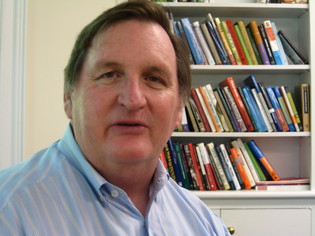


So, let's review:
  • A statistically insignificant problem as described in the research study
  • That affects people too stupid to stop when they are "horrified" by what they have done to themselves
  • Is impetus for punishing everybody
  • By increasing taxes on a product that many can apparently use safely and
  • The advocates for the punishment are led by a person who apparently has education, a good income and claims to know how to end this overweight/obesity problem
  • But is a fatso
Makes sense.

Role model drinking Nurse Diana Ray's beverage of choice:


Surgery Can Be Effective Tool In Fight Against Weight

So? Any of a number of forms of IMHO malpractice can be "effective tools."
What Morton tells anyone interested in gastric surgery is that it is "no magic bullet…We can't operate our way out of the obesity problem. It's part and parcel of a lifestyle change. These surgeries are simply tools." At Stanford, Morton said, "We don't want to shoehorn anybody into a specific operation. You have to take into consideration the risks and benefits."
Want to get rid of a limp?

Bilateral amputation of the legs is an "effective tool."

Hate the appearance of your nose?

Nose-ectomy (rhinectomy) is an "effective tool."

Want bariatric surgery?

Pay for it yourself or eat fewer Calories than you burn.

Children's Fitness Can Be Improved By Physical Activity Programs In Schools

Lies, damned lies and research.
A study published on bmj.com today reports that a structured physical activity program at school can develop children's fitness and reduce body fat...

However, there was no significant change in overall daily physical activity and quality of life...

In an accompanying editorial, researchers comment that school based physical activity programs are promising. However in the long term, they may be difficult to sustain. Broader implementation of this intervention would considerably add to the school timetable. They conclude that further research is needed in order to study the feasibility and acceptability of such a strategy in different countries.
Ah, the killer appears.

Unsustainability.

Their cure?

More research = more lies, more damned lies and more money for them.

Sunday, March 07, 2010

Drinking Sugar-Sweetened Beverages Daily Linked to Diabetes

Simply untrue. It is, by the researchers' own admissions, the Calories.
More Americans now drink sugar-sweetened sodas, sport drinks and fruit drinks daily, and this increase in consumption has led to more diabetes and heart disease over the past decade, researchers reported at the American Heart Association's 50th Annual Conference on Cardiovascular Disease Epidemiology and Prevention...

Sugar-sweetened soda, sport and fruit drinks (not 100 percent fruit juice) contain equivalent calories, ranging from 120 to 200 per drink, and thus play a role in the nation's rising tide of obesity, researchers said. Previous research has linked daily consumption of these sugary beverages to an increased risk of diabetes, even apart from excessive weight gain.
It is all about the Calories, redux.
"The American Heart Association recommends a dietary pattern that is rich in fruit, vegetables, low-fat or fat free dairy products, high-fiber whole grains, lean meat, poultry and fish," said Robert H. Eckel, M.D., past president of the American Heart Association, and professor of medicine at the Anschutz Medical Campus of the University of Colorado Denver. "Always consider overall diet in the context of energy balance and make sure foods and drinks high in added sugars are not taking the place of foods with essential nutrients."
The American Heart Association recommends an upper limit of half of the discretionary calorie allowance from added sugars, which for most American women is no more than 100 calories per day and for most American men is no more than 150 calories per day from added sugars. Sugar-sweetened beverages should be limited to 450 calories or less per week (36oz), based on a 2000 calorie per day diet.
Blaming the messenger (soda) for the real message (you are consuming too many Calories, fatso) will not only get us nowhere, it will set back any attempt at resolving the issue even further than it already is.

The solution of the AHA is to support taxing all of us for the caloric irresponsibility of the fat.
Health policy experts suggest curbing the consumption of sugared drinks through an excise tax of 1 cent per ounce of beverage, which would be expected to decrease consumption by 10 percent.
"If such a tax could curb the consumption of these drinks, the health benefits could be dramatic," said Kirsten Bibbins-Domingo, M.D., Ph.D., senior author of the study and associate professor of medicine at the University of California, San Francisco.
Rather than do the right thing and target the Calorie abusers, these morons would instead penalize all of us.

Reason enough to put the AHA out of business.

The sooner, the better.

Role model:


Tiny Tongue of a Fruit Fly Could Offer Big Clues in Fight Against Obesity, Researcher Says

How stupid are you if you are a fat person and fall for more of this crap?
The tiny tongue of a fruit fly could provide big answers to questions about human eating habits, possibly even leading to new ways to treat obesity, according to a study from a team of Texas A&M University researchers.

Paul Hardin, who holds the rank of Distinguished Professor of Biology, along with colleagues Abhishek Chatterjee, Shintaro Tanoue and Jerry Houl, examined the taste organs on Drosophila's proboscis (tongue), which triggers the minute fruit fly's desire to eat or not to eat. They found that several factors, especially the creature's internal daily clock, determine feeding behaviors -- and these same taste sensitivities very likely apply to humans.
How many articles that promise the "cure" for overfatness do you have to see day in and day out, week in and week out, month in and month out, year in and year out, decade in and decade out before you get that it ain't coming?

This is your savior:


However, the real "cure," i.e, the only "cure," is already here. Eat fewer Calories than you burn.

The rest, i.e., the latest and greatest research, is all a scam.
"By looking closely at factors that control Drosophila's desire to eat, we can draw comparisons to human eating behaviors," Hardin says.

"If we could adjust the key internal clocks, we might be able to control food consumption and, of course, that would be a big step in the fight against obesity."
If we could just shut you and your ilk up, THAT would be a big step in the fight against obesity.

So would cutting off all your funding.

America's Most Obese Metropolitan Areas

Kudos, metro-fatsos.
A ranking of No. 1 -- or being in the Top 10 -- isn't always something to crow about.

The latest Gallup-Healthways Well-Being Index lists the 10 most obese metropolitan areas in the U.S. and finds that adult obesity rates in each are significantly greater than the national average of 26.5%.

Here's a list of the 10 most obese metro areas, with those ranking highest having the greatest obesity rates.

(tie) Montgomery, Ala., and Stockton, Calif.: 34.6%
Visalia/Porterville, Calif.: 34.1%
York/Hanover, Pa.: 34%
Flint, Mich.: 33.9%
McAllen/Edinburg/Mission, Texas: 33.7%
Bakersfield, Calif.: 33.6%
(tie) Lynchburg, Va., and Huntington/Ashland, West Va., Ky., Ohio: 33%
Kingsport/Bristol, Tenn., Va.: 32.9%
Stand proud (if you can stand, that is) and round.

Saturday, March 06, 2010

The Child Abuse We Inflict Through Child Obesity

Well, isn't it about time for this?
America is guilty of child abuse. That’s a central conclusion to be drawn from this issue of Health Affairs, devoted to combating child obesity. It is one thing to be a nation that’s allowed two-thirds of its arguably "personally responsible" adults to become overweight or obese. It’s quite another that nearly one in three children now fall into the same category, including kids entering Head Start programs at the ripe old age of four. We also know that the obese among them are predisposed to develop chronic health conditions including diabetes and colon cancer, and to face shorter life spans than their parents’. So what charge would one level against a nation that allowed this to happen, if not of a form of child abuse with horrific consequences?
Though not perfect in many ways, it is movement in the right direction.

Child abusing parents and enabling, law-breaking mandatory reporters, let us hope your days are numbered.

Can Prostate Cancer Be Found Early?

Expired shelf life alert!
At this time, the American Cancer Society (ACS) recommends that men thinking about prostate cancer screening should make informed decisions based on available information, discussion with their doctor, and their own views on the benefits and side effects of screening and treatment (see below).
Radical.

Who ever heard of a recommendation for patients to make an informed decision?

In any event, gone are the days of the rectal exam and PSA test.

For now, that is. Read it all (if you dare).

Still think they have any idea what they are talking about?

Stress Hormone, Depression Trigger Obesity in Girls, Study Finds

Chicken or egg?
Depression raises stress hormone levels in adolescent boys and girls but may lead to obesity only in girls, according to researchers. Early treatment of depression could help reduce stress and control obesity -- a major health issue.
What do you think?

Did depression make this or did this make depression?


Whatever.

The point is for "mental health professionals" to make more money by taking it from you.

Note: "Early treatment of depression could help reduce stress and control obesity -- a major health issue."

Note to mental health professionals: "F*** you."

Friday, March 05, 2010

New Analysis Calls for State and Federal Action to Track Childhood Obesity

And it is about time.
A report published today in the journal Health Affairs calls for increased body mass index surveillance as a tool to combat the childhood obesity epidemic and urges state and federal action to implement effective BMI surveillance systems nationwide. The paper was co-authored by Altarum Institute researchers Matt Longjohn and Amy Sheon, co-project directors of Altarum’s Childhood Obesity Prevention Mission Project, and by childhood obesity experts from Arkansas, California, and Illinois.
BMI – a measure derived from height and weight – is widely used to screen children for obesity.
Still, there are many problems with this proposal. Some examples:
1. They tap into the First Cow's (see image below) childhood obesity initiative which will certainly fail.
2 They do not start tracking when fat people get pregnant and present to their OBs, RNs, etc., so monitoring and interventions can be implemented sooner after the birth of a child at risk, reducing the catch-up distance and costs.
3. They speak of "targeting resources" without speaking of targeting payors for those resources, i.e., collecting funds from the fat parents and parents-to-be in order to pay for the rescue of their fat kids and/or the prevention of fat kids.
Still it is a start in the right direction.

Kudos.

The "First Fatty," America's weight loss/weight control expert:

Early Warning Signs For Future Heart Disease Found In Obese 3-Year-olds

Fat parents have fat kids. Fat kids are nutritionally abused kids.
A study by University of North Carolina at Chapel Hill researchers found that obese children as young as 3 years old have elevated levels of C-reactive protein, a marker of inflammation that in adults is considered an early warning sign for possible future heart disease.
Nutritional child abuse - the abuse that keeps on abusing.

Kudos, fatsos.

U.S.: Controversial diabetes drug harms heart

And you can bet that they will find more problems with the IMHO malpractice known as diet drugs, too.
Hundreds of people taking Avandia, a controversial diabetes medicine, needlessly suffer heart attacks and heart failure each month, according to confidential government reports that recommend the drug be removed from the market.

The reports, obtained by The New York Times, say that if every diabetic now taking Avandia were instead given a similar pill named Actos, about 500 heart attacks and 300 cases of heart failure would be averted every month because Avandia can hurt the heart. Avandia, intended to treat Type 2 diabetes, is known as rosiglitazone and was linked to 304 deaths during the third quarter of 2009.

“Rosiglitazone should be removed from the market,” one report, by Dr. David Graham and Dr. Kate Gelperin of the Food and Drug Administration, concludes. Both authors recommended that Avandia be withdrawn.
Get fit. Avoid the drugs. Save your life.

Thursday, March 04, 2010

Childhood Obesity Prevention Should Begin Early In Life, Possibly Before Birth

Clearly. We have been saying this for years.
Efforts to prevent childhood obesity should begin far earlier than currently thought - perhaps even before birth - especially for minority children, according to a new study that tracked 1,826 women from pregnancy through their children's first five years of life.

Most obesity prevention programs - including the national initiative recently launched by First Lady Michelle Obama - target kids age 8 and older. Scientists at the Harvard Pilgrim Health Care Institute's Department of Population Medicine, an affiliate of Harvard Medical School, now say that factors that place children at higher risk for obesity begin at infancy, and in some cases, during pregnancy. Their research also suggests that risk factors such as poor feeding practices, insufficient sleep and televisions in bedrooms are more prevalent among minority children than white children.

"This early life period - prenatal, infancy, to age 5 - is a key period for childhood obesity prevention, especially for minority children," says Elsie Taveras, lead author of the study and an assistant professor of population medicine at Harvard Medical School, as well as the director of the One Step Ahead Program at Children's Hospital Boston. "Almost every single risk factor in that period before age 2, including in the prenatal period, was disproportionately higher among minority children."
Excellent reasons to:
dissuade the fat from reproducing,
register fat people who do have kids so they can be followed-up,
make fat people pay more for having kids since they require follow-up and
avoid the gross stupidity of the weight loss initiatives of the First Fatty, Michellesie "The Cow" Obama.

Eight In 10 Men 'Will Be Overweight Or Obese By 2020', UK

Get ready for the"Fat With Bad Dentition Biathlon" for the 2022 Games. Maybe if they train at getting fatter even faster, they can qualify for the 2014 Games at Sochi.
A new report from the National Heart Forum has concluded that obesity trends among adults in England are continuing to rise, meaning there will be worrying increases in associated conditions and diseases such as heart disease, cancer and Type 2 diabetes in coming years.

'A 98 per cent rise in Type 2 diabetes'

Led by Oxford University's Professor Klim McPherson the researchers conducted the analysis by preparing forecasts up to 2020 for overweight and obesity levels among adults using the most recent data and comparing them to previous estimates.

The team also updated their predictions for the burdens of diseases and conditions that are attributable to obesity. Their analysis shows a substantial increase in cardiovascular diseases particularly coronary heart disease (CHD). By 2050, they predict a 23 per cent rise in the prevalence of obesity-related stroke, a 34 per cent rise in obesity-related hypertension, a 44 per cent rise in obesity-related coronary heart disease and a 98 per cent rise in Type 2 diabetes.

A gloomy picture of the UK's health

"This new report paints a gloomy picture of the future state of the UK's health. Type 2 diabetes accounts for 90 per cent of all cases of diabetes and obesity is one of its leading causes." said Diabetes UK Care Advisor, Cathy Moulton.

"Historically a condition that only develops in the over 40s, Type 2 diabetes is now worryingly being diagnosed in children as young as seven, a situation almost unheard of just a generation ago, and purely as a result of obesity.

Action needed now

"There is every reason we can reverse these trends if the recommended daily level of 60 minutes' physical activity, achievable for most children, is combined with a healthy balanced diet, rich in fruit and vegetables and low in fat, sugar and salt.

"Unless we take action now, we will be putting a generation at risk of the many devastating complications associated with obesity", said Cathy.
"Now."

Gotta take action "NOW"!

Why haven't we heard that before?

They, like the rest (e.g., Michellesie Obama, The USA's First Cow) are acting NOW - acting according to Brownian Motion, that is.

Raising The Question Of Obesity In Asia

And what have they been doing 'til now?
When it comes to obesity, it would seem that it's very important to define terms, and equally important to ask questions about those terms.

So say Australian, Vietnamese and American scientists who challenge findings published in 1994 which concluded that for a given Body Mass Index (BMI), a measure of body fat based on weight and height, Asians have a higher percentage of body fat than Caucasians.
Nice, isn't it, that they want to define the terms?

And not a moment too soon.

Still think they have any idea what they are talking about?

Wednesday, March 03, 2010

Child Obesity Rates Going Up

Didn't they just tell us that the rates were going down? (Yes. e.g., see here, here and here)
New research finds that the prevalence of obesity has grown in recent years among children aged 10 to 17, and certain kids are being especially hard hit.

And another study in the same journal points to a possible reason why: Kids are snacking on potato chips, candy and other fattening foods an average of almost three times per day.
So it is the food.
Obesity and overweight kids were more common in neighborhoods that lacked a park or recreation center, and in neighborhoods that parents didn't perceive as safe.
So it is the environment.
Snacking patterns may also be playing a big role in the pediatric obesity epidemic, according to the second study. Researchers Barry Popkin and Carmen Piernas, of the University of North Carolina at Chapel Hill, looked at data on more than 31,000 American children from 1977 to 2006.

They found that in 1977-1978, 74 percent of children aged 2 to 18 said they snacked on foods outside of regular mealtime, but by 2003-2006 that number had jumped to 98 percent. The biggest jump occurred with salty treats such as crackers or potato chips, but candy was a favorite snack as well.

Overall, kids consumed 168 more calories from snack foods in 2003-2006 compared to 1977-1978, and the increase was greatest among the very young -- those aged 2 to 6.

"Kids still eat three meals a day, but they're also loading up on high-calorie junk food that contains little or no nutritional value during these snacks," Popkin said in the news release.
So it is the food.

So the above are all excuses.

But there is a reason.

Reasons are different from excuses.

The reason that child obesity rates are going up (and, in general, why kids become fat) is nutritional child abuse by parents.

And they are enabled by law-breaking mandatory reporters - e.g., teachers, doctors, principals and nurses.

Help the kids. (and here, too)

Focus On Fun Gets Teens Active - British Psychological Society

These shrinks are the crazy ones.
Emphasising the emotional benefits of exercise is more effective at increasing levels of physical activity than highlighting traditional health benefits. This is the finding of research published online today, 17th February 2010, in the British Journal of Health Psychology.

The study was carried out by Reema Sirriyeh and colleagues from the University of Leeds. Reema said: "There is evidence that people who believe that physical activity is enjoyable and fun are more likely to engage in sport and exercise. We investigated whether highlighting the emotional benefits of sport and exercise to young people increased their levels of physical activity, more than highlighting the physical health benefits."

128 participants aged 16 to 19 took part in the study; all were recruited from the sixth forms of four schools in West Yorkshire. The teenagers all received a daily text message at 4pm for a period of two weeks. Some teens received text messages that highlighted either the emotional benefits of exercise - such as 'Physical activity can make you feel cheerful. What activity will you do today?' , a second group received texts that highlighted the physical benefits, such as - 'Physical activity can keep your heart healthy. What activity will you do today?' and a further group received text messages that were a combination of the two.

The participants recorded their levels of physical activity using the International Physical Activity Questionnaire (IPAQ), which measured the time they spent on of moderate and vigorous exercise.

Analysis of the results found that the physical activity levels of all 128 participants increased after the two-week intervention by an average 31.5 minutes of moderate activity a week. The largest increase in physical activity was seen for inactive teenagers who received the text messages that highlighted the emotional benefits of exercise. This was equivalent to 120 more minutes of moderate exercise.
Not only are the results of this 2-week intervention suspect since the data were self-reported, there are also no data to show that any of this made any difference.

But what is most harmful about this type of research is the emphasis on "fun."

When the "fun" stops, there is no reason to continue.

There should be an emphasis on "because it is good for you," assuming that the activity levels are truly in the range of "good for you" (training) and not simply going through the motions (exercise).

Until people get on board for a sustainable reason, they only get on board for the brief period of time while it is "fun."

This will make no significant positive difference and is another "fun" way to turn people from effective and meaningful physical activity, i.e., training.

Happy People May Have Better Heart Health

Here it is, the final nail in the coffin of improving "heart health."
Individuals who find joy, excitement, and contentment in their daily lives may be protected from cardiovascular disease, researchers found.

Higher levels of positive affect, a measure of happiness, were associated with a significantly lower risk of having a cardiovascular event over a 10-year period (P=0.02), according to Karina Davidson, PhD, of Columbia University Medical Center in New York City, and colleagues...

The findings suggest that strategies to prevent heart disease may be bolstered by increasing an individual's zest for life, they said, noting, however, that this observational data cannot be used to make practice recommendations.
If "making" people happy is what we need to improve "heart health," then clearly the hurdle is set too high.

Or we need to distribute Soma.
In [Brave New World], happiness derives from consuming mass-produced goods, sports such as Obstacle Golf and Centrifugal Bumble-puppy, promiscuous sex, "the feelies", and most famously of all, a supposedly perfect pleasure-drug, soma.
Fat people already hallucinate that they are either not fat or it makes no difference.

With Soma, they will be happier in their hallucinations.

Tuesday, March 02, 2010

Striking number of obesity risks hit minority kids

And just about all of them are risk factors of choice. Which translates into we gotta stop paying for this and hold the parents accountable.
The odds of obesity appear stacked against black and Hispanic children starting even before birth, provocative new research suggests.

The findings help explain disproportionately high obesity rates in minority children. Family income is often a factor, but so are cultural customs and beliefs, the study authors said.

They examined more than a dozen circumstances that can increase chances of obesity, and almost every one was more common in black and Hispanic children than in whites. Factors included eating and sleeping habits in infancy and early childhood and mothers smoking during pregnancy...

Twenty percent of black and Hispanic children ages 2 to 19 are obese, versus 15 percent of whites, recent government data show.

In the racial disparities study, risk factors examined included: mothers smoking during pregnancy; unusually rapid weight gain in young infants; starting solid food before 4 months; mothers' routinely pressuring young kids to eat more; children sleeping less than 12 hours daily between 6 months and 2 years; and allowing very young kids to have sugary drinks, fast-food, and/or TVs in their rooms...

Many circumstances studied are more common in low-income, less educated families, including whites. Taveras said the researchers accounted for that and still found race was frequently a factor regardless of income.

The results may reflect cultural beliefs or influence from grandparents on feeding practices, but the good news, she said, is that almost every risk factor studied can be changed.
Nutritional child abuse, again and as virtually always, by choice.

California soda tax bill to fight childhood obesity

The moronic non-solution of the granola people - fruits, nuts and flakes - of CA.
A California lawmaker introduced legislation on Thursday that would tax sodas and other sugar-sweetened drinks and use the proceeds to bankroll programs to battle obesity in children.

The bill, introduced by Democratic Senate Majority Leader Dean Florez, would slap a 1-cent levy on every teaspoon of added sugar and other caloric sweeteners in commercial beverages sold.

The tax would be paid by companies that bottle soda and make finished beverages or syrup for fountain drinks, sponsors said.

Initial projections from the California Center for Public Health Advocacy estimated the excise tax on beverage distributors could raise $1.5 billion a year, with funds going directly to cities and schools to pay for childhood obesity prevention programs throughout the state.
Collective punishment - all suffer because the fat cannot keep their mouths shut when food is coming at it.

Chinese herbal pills destroyed UK woman's health

More Traditional Chinese Medicine (TCM)
A Chinese herbal practitioner admitted on Wednesday selling dangerous pills which destroyed the health of a British woman, leading to calls for the tighter regulation of those selling alternative medicines.

Civil servant Patricia Booth, 58, took tiny brown "Xie Gan Wan" tablets for more than five years to treat a facial skin condition after being reassured that the pills were as safe as Coca-Cola.

The medicine, sold by Ying "Susan" Wu from a shop in Chelmsford, northeast of London, did clear up her skin but had disastrous consequences, the capital's Old Bailey court heard.

Months after she stopped taking the pills in 2003, she fell seriously ill, had to have her kidneys removed, contracted urinary tract cancer and later had a heart attack.

She had to quit her job managing a government office and now needs to go to hospital for dialysis three times a week.

When it was realised the pills were likely to be behind Booth's declining health, officers from the Medicines and Healthcare products Regulatory Agency (MHRA) visited the Chinese Herbal Medical Centre shop in July 2003 where Wu worked.

Wu, 48, told them she was a qualified doctor in China, but not in Britain.
Well, they cannot replace her kidney with TCM, but at least she can get a deer penis.

Monday, March 01, 2010

Checkup finds Obama 'fit for duty,' but hasn't kicked smoking habit, should eat better

Just a brief observation on sick care reform (forget that the hubby of The First Cow smokes (bad), has elevated cholesterol (bad), elevated LDL (bad) and his HDL is dropping (bad). See the article for documentation/confirmation.) From the article:
The president was checked for and found free of colon cancer with a virtual colonoscopy, a scan that avoids the more invasive visual inspection with a camera device that is passed into the large intestine.
What is virtual colonoscopy?
Virtual colonoscopy is a procedure used to look for signs of pre-cancerous growths, called polyps; cancer; and other diseases of the large intestine. Images of the large intestine are taken using computerized tomography (CT) or, less often, magnetic resonance imaging (MRI). A computer puts the images together to create an animated, three-dimensional view of the inside of the large intestine...

Virtual colonoscopy is performed wherever the CT scanner or MRI unit is located—usually in the radiology department of a hospital or medical center. The procedure takes about 10 minutes and does not require sedation.

Patients will lie face up on a table.
A thin tube will be inserted through the anus and into the rectum. For CT, carbon dioxide gas will be pumped through the tube to expand the large intestine for better viewing. For MRI, contrast media will be given rectally to expand the large intestine.
The table will move through the CT scanner or MRI unit to produce a series of cross-sectional images of the colon.
At various points during the procedure, the doctor may ask patients to hold their breath to steady the images.
The procedure will be repeated while patients lie face down.
After the procedure, cross-sectional images taken by CT or MRI are processed to create three-dimensional, computer-generated images of the large intestine. A radiologist evaluates the results to identify any abnormalities.
What is colonoscopy?
Colonoscopy is a procedure used to see inside the colon and rectum. Colonoscopy can detect inflamed tissue, ulcers, and abnormal growths. The procedure is used to look for early signs of colorectal cancer and can help doctors diagnose unexplained changes in bowel habits, abdominal pain, bleeding from the anus, and weight loss...

During colonoscopy, patients lie on their left side on an examination table. In most cases, a light sedative, and possibly pain medication, helps keep patients relaxed. Deeper sedation may be required in some cases. The doctor and medical staff monitor vital signs and attempt to make patients as comfortable as possible.

The doctor inserts a long, flexible, lighted tube called a colonoscope, or scope, into the anus and slowly guides it through the rectum and into the colon. The scope inflates the large intestine with carbon dioxide gas to give the doctor a better view. A small camera mounted on the scope transmits a video image from inside the large intestine to a computer screen, allowing the doctor to carefully examine the intestinal lining. The doctor may ask the patient to move periodically so the scope can be adjusted for better viewing.

Once the scope has reached the opening to the small intestine, it is slowly withdrawn and the lining of the large intestine is carefully examined again. Bleeding and puncture of the large intestine are possible but uncommon complications of colonoscopy.
How are they different?
The main difference between virtual and conventional colonoscopy is how the doctor sees inside the colon. Conventional colonoscopy uses a long, lighted, flexible tube called a colonoscope to view the inside of the colon, whereas virtual colonoscopy uses CT or MRI.
In other words, during colonoscopy you get a long (6 foot), thick tube shoved up your butt together with a bunch of air blown into it. The procedure takes in the range of 45 minutes (unless a problem is found, then it takes longer) and there is a recovery period of about an hour or so after the procedure. Just to be nice, they first check you out by putting a professional's finger up your arschloch. If you are nice, the professional may ask you out to dinner.

During virtual colonoscopy they take pictures and look at those. Your butt-hole remains unviolated by the 6 foot snake, the radiologist's finger generally remains holstered (though another professional may cop an inner feel - keep your dinner calendar open, there's hope), you're done in 10 minutes and there is no recovery from sedation since there is no sedation needed, i.e., they do not have to knock you out so you can tolerate the significant discomfort.

See images at the end of this post to appreciate the differences.

You cannot get this test, virtual colonoscopy, if you are a regular person and have it paid for by Medicare (or your health plan in all likelihood).

This is for your own good. Or so they say.

This is from February 13, 2009:
Medicare has tentatively decided not to pay for virtual colonoscopies, dealing a setback to a technique that some medical experts recommend as a more tolerable alternative to conventional colonoscopy in screening for colon cancer.

The Centers for Medicare and Medicaid Services said in a decision posted on its Web site that there was “insufficient evidence” to conclude that virtual colonoscopy “improves outcomes in Medicare beneficiaries.”
and this is from May 13, 2009:
CT colonography for colorectal cancer screening will not be covered under Medicare, the Centers for Medicare and Medicaid Services has confirmed.

The agency issued a final decision memo yesterday that reiterates the coverage denial proposed in February in draft form. (See Medicare to Deny Coverage of CT Colonography Screening)

"The evidence is inadequate to conclude that CT colonography is an appropriate colorectal cancer screening test under § 1861(pp)(1) of the Social Security Act," according to the final CMS memo.

Although the 30-day comment period following publication of the draft memo brought many requests to allow at least some coverage for the procedure, CMS stuck to its conclusion that there is not enough evidence to support the procedure in the Medicare population.

Agency analysts cited evidence from numerous studies that found CT colonography less sensitive for smaller lesions.
Apparently, during this administration, even though "there was 'insufficient evidence' to conclude that virtual colonoscopy 'improves outcomes in Medicare beneficiaries'" and "Agency analysts cited evidence from numerous studies that found CT colonography less sensitive for smaller lesions" it is good enough for the hubby of Michellesie Obama.

Your tax dollars go to save his ass, literally, but not yours.

Interesting.

Though not stating what my position is on sick care reform, I submit that it is at least reasonable to question the parity in coverage and care Americans can expect compared to the quality of care politicians will keep for themselves under a reform scheme.

Here are some images to help you appreciate the differences:

Virtual colonoscopy (1 image) - these are reconstructions of X-ray pictures:


What Medicare and insurers that follow Medicare pay for - regular colonoscopy (2 images):


One Bowl = 2 Servings. F.D.A. May Fix That.

A rare lucid though from the Feds. Likely to get screwed up.
So to get ready for front-of-package nutrition labeling, the F.D.A. is now looking at bringing serving sizes for foods like chips, cookies, breakfast cereals and ice cream into line with how Americans really eat. Combined with more prominent labeling, the result could be a greater sense of public caution about unhealthy foods.

“If you put on a meaningful portion size, it would scare a lot of people,” said Barry Popkin, a nutrition professor at the University of North Carolina. “They would see, ‘I’m going to get 300 calories from that, or 500 calories.’ ”

The problem is important because the standard serving size shown on a package determines all the other nutritional values on the label, including calorie counts. If the serving size is smaller than what people really eat, unless they study the label carefully they may think they are getting fewer calories or other nutrients than they are.
Whether it will make a difference by "scaring" people, who can say?

But it is right to have nutrition labels that are more reflective of reality.

If you want to see a what a good nutrition label would look like, go here.

Diabetes helps explain obesity-birth defect link

Don't blame the diabetes - blame the fatso mom for being a fatso mom.
While some research has suggested that obese women have an increased risk of having a baby with a birth defect, a new study shows that diabetes may at least partly account for the link.
Because Type 2 diabetes is fat person diabetes.

It is a disease of choice.

Sunday, February 28, 2010

Taxing Unhealthy Foods May Encourage Healthier Eating Habits

If you can, read the entire article that follows. It is important. (For the entire study as published in Psychological Science, go here.)

It explains, among other things, why:
Here is how and why this form of collective punishment will not succeed (unless prices on foods are raised hugely - in this study, 12.5 and 25%):
Recently, the Obama administration called for a total ban on candy and soda in the nation’s schools. States are beginning to impose “sin taxes” on fat and sugar to dissuade people from eating junk food. Pricing strategies may well be a key to changing behavior, but others favor subsidies over punitive taxes, as a way to encourage people to eat fruits and vegetables and whole grains. The thought is that if you make it cheaper, people will eat more of it, more expensive and people will eat less.

Decades of behavioral economics research argues that consumers are not always so rational and the two strategies have never been tested head to head, to see which one most effectively alters calorie consumption. So, psychological scientist Leonard Epstein at University of Buffalo, decided to explore the persuasiveness of sin taxes and subsides in the laboratory.

Epstein and colleagues simulated a grocery store, “stocked” with images of everything from bananas and whole wheat bread to Dr. Pepper and nachos. A group of volunteers — all mothers — were given laboratory “money” to shop for a week’s groceries for the family. Each food item was priced the same as groceries at a real grocery nearby, and each food came with basic nutritional information.

The mother-volunteers went shopping several times in the simulated grocery. First they shopped with the regular prices, but afterward the researchers imposed either taxes or subsidies on the foods. That is, they either raised the prices of unhealthy foods by 12.5%, and then by 25%; or they discounted the price of healthy foods comparably. Then they watched what the mothers purchased.

To define healthy and unhealthy foods, the scientists used a calorie-for-nutrition value, or CFN, which is the number of calories one must eat to get the same nutritional payoff. For example, nonfat cottage cheese has a very low CFN, because it is high on nutrition but not on calories; chocolate chip cookies have a much higher CFN. The researchers also measured the energy density- essentially calories- in every food.

The results, just published in Psychological Science, a journal of the Association for Psychological Science, show that taxes were more effective in reducing calories purchased over subsides. Specifically, taxing unhealthy foods reduced overall calories purchased, while cutting the proportion of fat and carbohydrates and upping the proportion of protein in a typical week’s groceries. By contrast, subsidizing the prices of healthy food actually increased overall calories purchased without changing the nutritional value at all. It appears that mothers took the money they saved on subsidized fruits and vegetables and treated the family to less healthy alternatives, such as chips and soda pop. Taxes had basically the opposite effect, shifting spending from less healthy to healthier choices. On the basis of this laboratory research, the scientists conclude that subsidizing broccoli and yogurt- as appealing as that idea might be to some- may be unlikely to bring about the massive weight loss the nation now requires. (hyperlink added)
These findings are consistent with the results of another study where people paid to behave "good," in a health-wise sort of way, took the money and bought Calories.

The better way to effect change is targeted, i.e., to tax those items used by fat people and not the rest of us and in other ways, such as having fat people:
pay more for having kids if they cannot be dissuaded from reproducing,


receive less income at work since they cost businesses more and are less productive.
And the sooner we do these types of things, the better.

(BTW, by citing this piece, it does not mean that I am in agreement with the way the authors categorized foods using their CFN indicator or what they claim is "more healthy" vs. "less healthy.")

Michellesie "The Cow" Obama, big (literally) weight loss advocate, in pictures:


More and More Kids Have Chronic Health Problems

Kudos, fatsos.
The prevalence of chronic conditions in childhood has increased over time, with much variation in how long the conditions persist, researchers found.

In three cohorts of children followed from 1988 through 2006, the number of children who had a chronic condition at any time increased from 27.8% in the earliest cohort to 51.5% in the latest, according to Jeanne Van Cleave, MD, of MassGeneral Hospital for Children in Boston, and colleagues.

But the presence of the conditions, which included obesity, asthma, other physical impairments, and behavior/learning problems, was fluid during each study period, they reported in the Feb. 17 issue of the Journal of the American Medical Association...

The mean age of the mothers and the rate of maternal obesity increased with each progressive cohort.

When all cohorts were pooled together, all categories of chronic conditions increased from baseline to the end of the study (P<0.001 for all):

Obesity: 11.9% to 13.3%
Asthma: 2% to 3.6%
Other physical conditions (such as allergies and chronic ear infections): 3.9% to 5.7%
Behavior/learning problems (such as ADHD and mental retardation): 1% to 4.7%

For obesity, the baseline rate increased significantly with each progressive cohort, from 7% in 1988 to 12.3% in 1994 to 19% in 2000.
You are child abusers making your kids sick.

For Older Women, Exercise May Cut Breast Cancer Risk

What's worth more to you - time spent training or losing a breast or two?
For sedentary postmenopausal women, moderate to vigorous exercise for a year reduced levels of estradiol, researchers said.
The reductions, compared with those achieved by controls, were modest but significant and were consistent with a lower risk for breast cancer, according to Christine Friedenreich, PhD, of Alberta Health Services in Calgary, and colleagues.

The finding, from a randomized trial, is evidence that such women -- sedentary and mostly overweight -- can "achieve and sustain high levels of aerobic exercise," the researchers reported online in the Journal of Clinical Oncology.

Observation suggests that increased physical activity is linked to lower breast cancer risk, but exactly how remains unclear, the researchers noted. One plausible mechanism, they said in the journal, is modification of the sex hormones.
You decide.

Saturday, February 27, 2010

Is 2 Years Old A Childhood Obesity Tipping Point?

Early nutritional child abuse.
While many adults consider a chubby baby healthy, too many plump infants grow up to be obese teens, saddling them with Type-2 diabetes, elevated cholesterol and high blood pressure, according to an article published this month in the journal Clinical Pediatrics (published by SAGE).

The research suggests that the "tipping point" in obesity often occurs before two years of age, and sometimes as early as three months, when the child is learning how much and what to eat.
But, I do not agree that this is a "tipping point."

Behavior can be changed subsequent to this and to suggest otherwise is downright stupid.

And trying to pin the point in time at 3 months of age is clearly nuts.

Go here, if you want help.

Diabetes Tied to Poor Impulse Control

Type 2 diabetes, fat person diabetes, is a disease of choice for the weak-willed.
Patients with newly diagnosed type 2 diabetes were significantly more likely to show poor impulse control in psychological testing than healthy people, researchers said.
Time to refuse to pay for people's poor impulse control.

Have them pay for it themselves.

Then watch their impulse control improve.

Exercise may not boost obese teens' metabolism

No surprise here.
A few months of moderate aerobic exercise may not rev up obese teenagers' ability to burn calories, even though it may increase thinner teens' ability to burn dietary fat, new research suggests.

In a study of 28 obese and normal-weight teenagers, researchers found that after 12 weeks of treadmill and exercise-bike sessions, the heavier teens showed no changes in their bodies' calorie- and fat-burning throughout the day.

Their thinner peers likewise showed no changes in daily calorie expenditure.
First, you need to train to improve fitness, exercise will almost never work.

Second, resting metabolism is upregulated when you burn more Calories than previously. Cardio exercise will almost never do that.

Third, the better one gets at aerobic "exercise," the fewer are the Calories that get burned. This is due, among other reasons, to increased efficiency. So more, in this case, is not necessarily better for the intended result.

Friday, February 26, 2010

Prepregnancy, Obesity and Gestational Weight Gain Influence Risk of Preterm Birth

Convince the fat not to reproduce - prevent early nutritional child abuse.
Researchers at Boston University School of Medicine's (BUSM) Slone Epidemiology Center and Boston University School of Public Health (BUSPH) have found that pre-pregnancy obesity and gestational weight gain are associated with an increased risk of preterm birth in African American participants from the Black Women's Health Study. This study currently appears on-line in Epidemiology.

A baby born at less than 37 weeks of gestation is considered preterm. This occurs more often among black women than white women and is a leading cause of infant morbidity and mortality in the United States. Obesity is associated with intrauterine infections, systematic inflammation, dyslipidemia, and hyperinsulinemia, all of which may increase the risk of preterm birth...

The researchers found that obesity increased the risk of medically-indicated preterm birth and very early spontaneous preterm birth (<32 weeks), and that underweight increased risk of both preterm birth subtypes. Among obese women, gestational weight gain within the range recommended by the 2009 Institute of Medicine (IOM) report (0.4-0.6 lbs/week in the second and third trimesters) was optimal in reducing risk of preterm birth. "Our data suggest that it is especially important for obese women to adhere to the IOM guidelines for pregnancy weight gain to reduce their risk of preterm birth," said lead author Lauren A. Wise, ScD, an associate professor of epidemiology at Boston University School of Public Health and a senior epidemiologist at the Slone Epidemiology Center.
Do it for the kids.

FDA Clears Hypertension Drug for Youngsters

Well, this is sad.
The FDA has approved the antihypertensive olmesartan (Benicar) for patients ages 6 to 16, manufacturer Daiichi Sankyo announced.
Kudos, fatsos.

You have made your kids sick fat people.
Adverse reactions include back pain, bronchitis, increased creatine phosphokinase, diarrhea, headache, hematuria, hyperglycemia, hypertriglyceridemia, influenza-like symptoms, pharyngitis, rhinitis, and sinusitis.
Plainly and simply, you are disgusting nutritional child abusers.

Start obesity prevention in the cradle, study urges

Really, stop early nutritional child abuse before it starts.
A team of US doctors has urged that obesity screening start in the cradle after a study they conducted showed that half of US children with weight problems became overweight before age two.

The "critical period for preventing childhood obesity" in the children observed in the study would have been in "the first two years of life and for many by three months of age," said the study, published in Clinical Pediatrics.

"Unfortunately, the chubby healthy baby myth is alive and well despite the high prevalence of childhood obesity, with only 20 percent to 50 percent of overweight children being diagnosed and even fewer receiving documented or effective treatments," the authors of the study said.

For the study, which was conducted to try to pinpoint the "tipping point" for when a child first became overweight, researchers looked at 480 medical records for patients between the ages of two and 20 at a private medical practice and a teaching hospital, both in Virginia.

Of those patients, 184 were included in the study because they met the age criteria, their weight and height had been recorded during five visits to the medical practice, and they were overweight during one of the visits.

The researchers found that the median age for when the children became overweight was 22 months. They also found that a quarter of the children reached their overweight "tipping point" at or before five months of age.
I am pretty sure that the dates are not as certain as presented, however, the principle remains true:

Do not abuse children nutritionally at any time and if you do, stop as soon as possible.

Thursday, February 25, 2010

The Focus Of Childhood Obesity Study Is The Use Of Food To Sooth Infants

A likely mechanism, except the "genetics" part, explaining how some parents fatten up their kids for the kill.
Both genetics and parents who comfort their infants with food are the focus of a study funded for $1 million by the National Institute of Diabetes and Digestion and Kidney Disease investigating risk factors for childhood obesity. The grant is part of the National Institutes of Health American Recovery and Reinvestment Act funding.

"When the infant cries, parents typically have a set of soothing techniques they'll use to comfort their child -- if one doesn't work, they move to the next -- and somewhere on that list is feeding," said Cynthia Stifter, professor of human development and family studies and principal investigator on the project. "It may be, with some children, that using food as a means of soothing distress promotes the association of food with emotional comfort, a characteristic of emotional eaters that is associated with adult obesity."
A way to early nutritional child abuse.

Maternal obesity predisposes baby to Alzheimer's

Early nutritional child abuse - the gift that keeps on giving.
Maternal obesity causes cellular programming in utero that predisposes offspring to inflammation-related disorders, such as Alzheimer's, Parkinson's, type 2 diabetes, stroke, heart disease, from the day that they are born, say Duke University researchers.

Duke researchers reported the finding in the FASEB Journal.

The study was based on rats.

"We hope these data will eventually lead to treatments for obesity-associated problems, by the identification of novel targets within the immune system," said Staci D. Bilbo, Ph.D., co-author of the study, from the Department of Psychology and Neuroscience at Duke University in Durham, N.C. "Our hope is also that these data will lead people to consider the consequences of their dietary intakes not only for their own health, but also for their children;s health, and potentially even their grand children's health."

To reach the conclusion, Bilbo and colleagues placed rats on one of three diets (low-fat, high-saturated fat, and high-trans fat) four weeks prior to mating and throughout pregnancy and lactation. The high-fat diets rendered the mice clinically obese. Researchers analyzed the brains of the newborn pups after challenge by inflammatory stimuli.

Offspring born to mothers on the high-fat diets showed increased immune cell activation and release of injurious products (cytokines). This overshoot was already apparent on the day after birth. When the scientists continued to analyze the pup brains through their juvenile and adult years, and even after the rats were put on healthy low-fat diets, this hyper-response to inflammation remained dramatically increased compared to rats born to normal-weight mothers.

"If there ever was a maternal hex, obesity might be it," said Gerald Weissmann, M.D., Editor-in-Chief of The FASEB Journal , "and as it turns out, even after the weight comes off, the biggest loser isn’t a mother, but her child."
Stop the fat from having kids.

American Nurses Association Supports Nation's First Lady In Combating Childhood Obesity

The ANA are hitching their wagon to a big horse's ass. (see below for images of the big ass.)
The American Nurses Association (ANA) is eager to support the First Lady Michelle Obama in her critical efforts to combat childhood obesity. As the largest nursing organization in the U.S., ANA stands ready to assist the First Lady to address this significant health problem through her program, "Let's Move" America's Move for a Healthier Generation.
This is a reason why you should not trust nurses to help solve the matter.

Here is what they support to "cure" overweight and obesity - the First Fatty, Michellesie "The First Cow" Obama:


Wednesday, February 24, 2010

Maternal Obesity Puts A Load On Her Offspring That Lasts A Lifetime

More early nutritional child abuse - dissuade the fat from reproducing.
Duke researchers report in the FASEB Journal that maternal obesity dramatically increases the risk of diseases related to inflammation gone awry: heart disease, stroke and more

As if there are not enough reasons for obese people to lose weight, a new research report published online in The FASEB Journal, adds several more. In a study involving rats, researchers from Duke University found that obesity in mothers causes cellular programming in utero that predisposes offspring to inflammation-related disorders (such as Alzheimer's, Parkinson's, type 2 diabetes, stroke, heart disease, and more) from the day that they are born, regardless of whether or not the offspring are obese themselves.

"We hope these data will eventually lead to treatments for obesity-associated problems, by the identification of novel targets within the immune system," said Staci D. Bilbo, Ph.D., co-author of the study, from the Department of Psychology and Neuroscience at Duke University in Durham, N.C. "Our hope is also that these data will lead people to consider the consequences of their dietary intakes not only for their own health, but also for their children's health, and potentially even their grandchildren's health."
The treatment is here already: eat fewer Calories than one burns.

Butter Leads To Lower Blood Fats Than Olive Oil

Now butter is good for you.
High blood fat levels normally raise the cholesterol values in the blood, which in turn elevates the risk of atherosclerosis and heart attack. Now a new study from Lund University in Sweden shows that butter leads to considerably less elevation of blood fats after a meal compared with olive oil and a new type of canola and flaxseed oil.
Still think they have any idea what they are talking about?

Adolescent Bariatric Surgery Center Passes Surgical Milestone

They have committed IMHO malpractice 100 times! Congrats.
Few treatments are available to help obese adolescents who are unable to lose weight and are already suffering from obesity-related health problems. Laparoscopic adjustable gastric banding (LAGB), an option for adults in the United States since 2001, is showing promise for teens. The Center for Adolescent Bariatric Surgery, which opened at NewYork-Presbyterian Morgan Stanley Children's Hospital in 2006, recently performed its 100th LAGB procedure.
100 reasons why you should lose your licenses to practice.

Tuesday, February 23, 2010

NFU Angered As New Evidence Reveals Link Between Red Meat And Cancer Was Flawed

Shelf life - expired!
The NFU is furious after learning that the findings of a review, which revealed errors in a report claiming a link between red meat consumption and cancer, have not been shared with policy makers. It has joined livestock levy body Eblex in its concern over flawed figures that are contained in a report from the World Cancer Research Fund.

The initial report, first published in 2007, has been widely used as proof of a link between eating red meat and developing cancer. However, two leading scientists have now highlighted a number of errors which include analytical inconsistencies and data extraction errors in the evidence. These are thought to have contributed to overestimations being made by the WCRF in its conclusions linking red meat and cancer.

Dr Stewart Truswell, of the University of Sydney, and Dr Dominik Alexander, of Exponent, have had their review published in the American Journal of Clinical Nutrition. The conclusion of Dr Alexander's review is that "there is no conclusive evidence of a causal relationship" between eating meat and developing colorectal cancer.

NFU livestock board chairman Alistair Mackintosh said: "I am appalled that flawed evidence has been used to draw links between eating red meat and cancer. The NFU is calling for the World Cancer Research Fund to recognise the discrepancies that have been highlighted and accept that these errors could have potentially contributed to an overestimation of the association between eating red meat and the risk of colorectal cancer.

"I understand that the WCRF has privately accepted the flaws but it is unwilling to inform policymakers direct. This is doing a huge disservice to our industry and people must be made aware of the true facts as soon as possible. Future policy-making, which affects us all, could be distorted by these flawed assumptions.
First and importantly, consider the source of the article - the NFU itself. (NFU and Eblex)

Whether this is RedMeatGate, a la ClimateGate, remains to be seen.

Still it does highlight that we still have no real idea of what "healthy food" is.

The best we can do, currently, is eat healthily, which is much different and, thankfully and fortunately, more effective.

Do not get lost in the "healthy foods" distraction. These items will change over time. (and here, too.)

Stick with the concept of eating healthily. It has staying power unrivaled by any "healthy food" fad.

Little Effect Of Soy Isoflavones On Bone Loss In Postmenopausal Women: ISU Multi-Center Study

Another expired shelf life?
A previous six-month study by Iowa State University researchers had indicated that consuming modest amounts of soy protein, rich in isoflavones, lessened lumbar spine bone loss in midlife, perimenopausal women. But now an expanded three-year study by some of those same researchers does not show a bone-sparing effect in postmenopausal women who ingested soy isoflavone tablets, except for a modest effect at the femoral (hip) neck among those who took the highest dosage.
Oops.

The Impact On Children Of Food Product Placements In The Movies

More worthless research.
New research from the Hood Center for Children and Families at Dartmouth Medical School (DMS) for the first time sheds light on the significant potential negative impact that food product placements in the movies could be having on children.

The study, which appears in the current edition of the journal Pediatrics, shows that most of the "brand placements" for food, beverage, and food retail establishments that are frequently portrayed in movies, are for energy-dense, nutrient-poor foods or product lines. In addition, the study shows for the first time that product placements in movies may be a far more potent source of advertising to children in terms of food choices than previously understood.

"The current situation in the United States is very serious in terms of the health of our children, and we have to look seriously at all of the factors that may be contributing to it, including the impact of product placements in movies," says Lisa Sutherland, Ph.D. the lead author of the study. Sutherland says that the diet quality of U.S. children and adolescents has declined markedly during the past 20 years, and current estimates suggest that only one percent of children eat a diet consistent with the U.S. Department of Agriculture's (USDA) My-Pyramid food guidance. Additionally, fewer than one fifth of adolescents meet the dietary recommendations for fat or fruit and vegetable intakes, and during the last 20 years obesity rates have doubled for children aged 6 to 11 years and tripled for adolescents aged 12 to 19 years.
Hey, adults!

Pretend that you are caring and concerned parents and don't feed the stuff in the flicks to your kids.

It's a movie, fools.

Just say, "No."

Monday, February 22, 2010

Childhood Obesity: It's Not the Amount of TV, It's the Number of Junk Food Commercials

Nuanced knuckleheads.
The association between television viewing and childhood obesity is directly related to children's exposure to commercials that advertise unhealthy foods, according to a new UCLA School of Public Health study published in the American Journal of Public Health.
As if a kid (or adult) could gain a single gram from the act of watching TV, no matter the content.

It is the Calories, you nuts and flakes out West.

Need to test this?

Get a cross-section of kids. Divide them into two groups. Have them watch TV. Have one group see more commercials than the other. In fact, make one group watch ALL commercials.

Then feed them a controlled number of Calories, equal between the groups.

See if one group gets fatter than the other.

I will bet on the outcome.

Will you?

Idiots.

And this is from a University.

What a sad comment on "higher" education.

Bleak Economy Pushing Health Insurers to Raise Rates, Analysts Say

Good news!
Health insurers lately seem more afraid of Wall Street than of Washington.

The nation’s insurers have come under sharp attack by the Obama administration for seeking seemingly staggering rate increases on policies they sell to individuals.

The health and human services secretary, Kathleen Sebelius, recently pounced on WellPoint’s Anthem Blue Cross unit for wanting to raise premiums as much as 39 percent in California, and on Thursday she issued a scathing report detailing double-digit increases sought by other insurers last year and so far this year.

Angela F. Braly, WellPoint’s chief executive, was forced to cancel an investor presentation to prepare for the grilling she is likely to receive before Congress next week about the insurer’s rate increases.

But as bad as it may play politically, for insurers like WellPoint, the challenging business environment may leave them little choice but to raise prices if they want to protect profits, analysts and some health economists say.
A huge percentage of sick care costs are attributable to the chronic care of people who develop diseases of choice, i.e., the fatsos with cardiovascular disease, Type 2 diabetes, hypertension, etc.

Make them pay more.

And more. And more.

Until they cannot purchase the Calories needed to stay fat.

Then watch real sick care reform happen.

Overweight In 20s Could Lead To Serious Problems In 40s

Great way to plan for the future.
People who are obese and have type 2 diabetes in their 20s will be at higher risk of having a heart attack or stroke in their 40s if they do not change their lifestyle.
Kudos, fatsos.

Sunday, February 21, 2010

U.S. launches program to end 'food deserts'

The First Idiotte starts her program.
In an effort to fight childhood obesity, the U.S. government launched a program on Friday to encourage supermarkets in low-income areas to increase access to healthy food.

The Obama Administration said it would provide $400 million for its Healthy Food Financing Initiative, which is modeled on a successful Pennsylvania program that in the last five years has led to more than 80 supermarkets being set up in "food deserts" - areas that were previously underserved by sellers of healthy food.

First Lady Michelle Obama said the new national program aims to eliminate food deserts - where the only food sources are typically convenience stores or gas stations - in the next seven years.
First, there are no "healthy foods," there is only healthy eating.

Second, here is what you too can look like if you eat healthy foods, just like the First Idiotte aka First Fatty aka First Cow, Michellesie Obama:


Changes in Diet and Exercise Can Make a Big Difference Within Six Months of ACS

And if the fat people and/or smokers who took money from the public coffers for their treatment do not make those changes, make them pay it back.
Changes to a patient's eating, exercise, and smoking habits should be prioritized as high as adherence to a drug regimen following an acute coronary syndrome (ACS), according to the authors of a new international study on lifestyle changes following ACS [1].

The study shows that the benefits of improving diet, exercising more, and quitting smoking are additive and can reduce a patient's risk within six months if the patient sticks with it, "justifying a significant investment in establishing programs that systematically enhance early lifestyle modification and secondary prevention," study authors Dr Clara Chow (McMaster University, Hamilton, ON) and colleagues report in the February 1, 2010 issue of Circulation.
The rest of us should not be burdened with the costs of the irresponsible behaviors of the fat, the fat smokers and the smokers.

Exercise 'cuts risk of developing painful gallstones'

Being fat is a risk factor for gallstones.
A University of East Anglia study of 25,000 men and women found those who were the most active had a 70% reduced risk of those complaints.

The team, writing in the European Journal of Gastroenterology and Hepatology, said one reason might be reduced cholesterol levels in the bile.

They said exercise also raised levels of "good" cholesterol and help improves movement through the gut, all of which could contribute to the lowered risk.
Lose the weight and practice preventive medicine the way it should be done.

Saturday, February 20, 2010

Review Calls for Reevaluation of the Fat-CVD Link

Shelf life city.
Emphasis on reducing dietary saturated fat may miss the target of preventing cardiovascular disease (CVD) in the epidemic of obesity and associated metabolic disturbances, authors of a critical review of the issues concluded...

"There is little evidence from [clinical] trials or from epidemiologic studies that a reduction in saturated fat intake below about 9% of total energy intake is associated with a reduced CVD risk," they added.

In a meta-analysis published in the same issue of the journal, Siri-Tarino and colleagues concluded that the evidence does not support "the conventional wisdom that reduced dietary saturated fat intake is beneficial for cardiovascular health."
Now for how many decades have we heard about the horrors of saturated fats?

Still think they have any idea what they are talking about?

Study shows why it is so scary to lose money

Another reason why fat people should pay for their sick care, pay for the nutritional child abuse they heap on their kids, pay more for fat person stuff and leave the rest of us alone from subsidizing them.
People are afraid to lose money and an unusual study released on Monday explains why - the brain's fear center controls the response to a gamble.
Make them stop gambling with our money and use their own - poof! end of the overweight/obesity issue.

Heavier boys more likely to hit puberty later

Which explains the small size of their, ahem, members, during those formative years.
Overweight boys may start puberty later than their leaner peers, new research shows.

The link between higher body mass index (BMI) -- a standard measure of the relationship between height and weight used to gauge how fat or thin a person is -- and earlier puberty is fairly well established in girls, Dr. Joyce M. Lee of the University of Michigan in Ann Arbor and her team note in the Archives of Pediatrics and Adolescent Medicine. However, much less research has been done on BMI and age at puberty in boys.

To investigate, they looked at 401 boys enrolled in the National Institute of Child Health and Human Development Study of Early Child Care and Youth Development. The boys' height and weights had been measured at several points, beginning when they were two years old and ending when they were eleven and a half.

Lee and her colleagues divided the boys into three groups based on how quickly their BMI increased during that time span. Fourteen percent of boys in the heaviest group had not started puberty by 11 and a half, compared to around 13 percent of boys in the middle group and 8 percent of boys in the lowest BMI group.
Growth in penis size is just one part of puberty, which also includes such changes as pubic hair development, testicular growth, muscle development, and a growth spurt.

Maxi-you, meet mini-you.

Aren't they cute when they're little?

Friday, February 19, 2010

Winning the War on Weight

Almost too stupid to be believed.
A Monash University-led nationwide study into the health beliefs and behaviours of obese people has found that the more severely obese a person is, the less likely they feel they can reduce their weight.

The research, funded by the Australian Research Council Discovery Grant Scheme, is the first of its kind in Australia. 141 obese Australians were extensively interviewed to try to gauge how they perceived their weight and ability to manage it.

Co-author and Head of Monash University's Consumer Health Research Group (CHaRGe) Dr Samantha Thomas said those in the severely obese category with a Body Mass Index (BMI) of more than 40, blamed themselves for their weight and often described themselves as at war with their bodies.

"Severely obese individuals felt an urgent and desperate need to change their health behaviours, but felt completely powerless to do so. Most felt worried and scared about the potential health consequences of their weight. Most felt blamed and ashamed by public health and education campaigns about obesity, which did little to actually help them address their weight," Dr Thomas said.

Dr Thomas said in contrast, people whose weight fell within the mild to moderately obese range understood they were significantly overweight but did not believe they needed to lose weight to improve their health and wellbeing.

"Those individuals, with a BMI between 30 and 40, believed they could lose weight if they needed to, but did not feel this was an urgent health priority as most felt physically healthy," Dr Thomas said.

"Most of the study participants in this category deliberately sought to distance themselves from public health messages about obesity and the word obesity because of the social stigma attached to the condition. They also stigmatised those who were fatter than themselves."

Dr Thomas said it appeared the public health messages were not getting through to those who needed it most.
"The campaigns don't seem to be having much of an effect. Those in the mild-moderately obese category said their weight creates feelings of social isolation or discrimination, yet don't fully understand the health risks associated with the extra kilos," Dr Thomas.

"In contrast, people with a significant weight issue realised they were at an extremely high risk of disease but didn't feel they could change. Further confirmation that the stigma and social stereotyping associated with obesity -- including from government campaigns -- is vastly impacting on individuals' beliefs and behaviours.

"Society's attitudes need to change, governments need to refocus health messages and we need to accept obesity as a serious health issue that addresses a person's well-being not just the added kilos."
The problems are with the rest of us.

Fat people are too sensitive to lose weight because the message that "being too fat is harmful" hurts their feelings.

Fat people are too cocky to lose the weight, but can if they want to.

Fat people know they are fat, realize there is a health link, but think that it is no danger to their health.

Fat people intentionally distance themselves from reality because they are off-put.

And since they are almost always knowingly remaining too fat, it is the fault of the messages.

These researchers are excusinators gone wild.

Want to send a message the fat will eventually understand?

Cut-off or substantially reduce sick care funding and let them enjoy the consequences of their behavior.

Then you will quickly see change.

Quick summer sunbaths make for adequate vitamin D

So much for Vitamin D supplements.
A few minutes a day of midday summer sun can raise most fair-skinned people's vitamin D levels to sufficient, but not optimal, levels, according to new research from the UK...

UK health authorities say "casual exposures to summer sunlight" will allow the body to produce adequate amounts of vitamin D. They also recommend limiting sun exposure beyond a brief amount of time.

To test whether such casual exposures would be enough, the researchers exposed 109 fair-skinned men and women to light equivalent to 13 minutes of midday summer sun three times a week for six weeks. Study participants wore shorts and T-shirts during their brief sun baths.

The study was done during the winter months, when people would be getting very little vitamin D from sunlight, to focus on the effects of the sun baths. All of the study participants had low vitamin D intakes, and none were taking vitamin D supplements.

Participants' average blood level of vitamin D rose from around 18 nanograms per milliliter to 28 nanograms per milliliter. Recent studies have suggested that 20 nanograms per milliliter and above is sufficient, while 32 nanograms per milliliter and above is "optimal."

Based on the results, the researchers predicted that with this amount of sun exposure, 90 percent of white adults in Manchester under the age of 65 would have sufficient vitamin D levels, while 26 percent would have optimal levels.
Save your money.

Sun is free. Supplements are costly.

For obese, vaccine needle size matters

Kudos, fatsos.
Our ever-expanding waistlines may have outgrown the doctor's needle, researchers say, in what could be another casualty of the obesity epidemic.

In a new study, the researchers report that using a standard 1-inch needle to immunize obese adolescents against hepatitis B virus produced a much weaker effect than using a longer needle.

"As obesity rises in the US, we need to be aware that the standard of care may have to change to protect obese youth," study co-author Dr. Amy Middleman of Baylor College of Medicine in Houston told Reuters Health.

Over three years her team vaccinated 22 young women and two young men in the shoulder, randomly assigning them to be injected with either a 1-inch or a 1.5-inch needle.

Once injected, vaccines trigger production of small molecules called antibodies, which kick-start our immune system if we are ever attacked by the virus again.

The two groups turned out to have different antibody counts depending on the needle used. In those injected with the short one, the number was almost halved.

Although everyone in the study had enough antibodies to be considered protected against hepatitis B, a lower count generally means a less robust response.

"It gives us more evidence of the importance of choosing the right needle length," said Middleman, "because we just don't know what the impact could be in other vaccines."
But could any needle be long enough to get it through your thick heads that you are too darned fat?

Thursday, February 18, 2010

The Loss Of Certain Genes Increases The Risk Of Becoming Overweight By 50 Times

Why? Because they are retarded.
A new cause of obesity due to a defect on chromosome 16 has just been discovered. It is thought to explain close to 1% of obesity cases. For carriers of the defect, the risk of becoming overweight is 50 times higher...

It was identified in 31 adolescents and adults who experienced learning difficulties at school. All carriers of the defect were obese.
A possible explanation for why fat people are stupid.

Fruit And Vegetable Consumption Improved By Online Programs

Where's the beef?
Online programs that provide information and tips about fruits and vegetables may be the key to getting more Americans to eat healthier, say researchers at Henry Ford Hospital.

Researchers found that when given access to an online program about fruits and vegetables, participants increased their daily fruit and vegetable intake by more than two servings. Many of the participants continued using the program after the study concluded, and even reported their family members became involved in the program.

"People already know the health benefits of fruits and vegetables, but they often don't know how to incorporate them into their diet," says study senior author Christine Cole Johnson, Ph.D., M.P.H., chair of Henry Ford's Department of Biostatistics and Research Epidemiology. "That's why our study worked. Using online programs, we were able to offer study participants practical and easy tips to increase their daily fruit and vegetable intake."
First, how stupid do you have to be to not "know how to incorporate [fruits and vegetables] into" your diet?

Here is a hint.

Like all other foods, shove them into your piehole.

More to the point, however, this "study" appears to be a self-reported study.

That means that the investigators relied on the online participants to tell the truth and there was apparently no verification of the responses.

Here is the Abstract:
Objectives. We assessed change in fruit and vegetable intake in a population-based sample, comparing an online untailored program (arm 1) with a tailored behavioral intervention (arm 2) and with a tailored behavioral intervention plus motivational interviewing–based counseling via e-mail (arm 3).

Methods. We conducted a randomized controlled intervention trial, enrolling members aged 21 to 65 years from 5 health plans in Seattle, Washington; Denver, Colorado; Minneapolis, Minnesota; Detroit, Michigan; and Atlanta, Georgia. Participants reported fruit and vegetable intake at baseline and at 3, 6, and 12 months. We assessed mean change in fruit and vegetable servings per day at 12 months after baseline, using a validated self-report fruit and vegetable food frequency questionnaire.

Results. Of 2540 trial participants, 80% were followed up at 12 months. Overall baseline mean fruit and vegetable intake was 4.4 servings per day. Average servings increased by more than 2 servings across all study arms (P<.001), with the greatest increase (+2.8 servings) among participants of arm 3 (P=.05, compared with control). Overall program satisfaction was high.

Conclusions. This online nutritional intervention was well received, convenient, easy to disseminate, and associated with sustained dietary change. Such programs have promise as population-based dietary interventions.
In other words, this is suspect at best.

Target Identified That May Reduce Complications Of Obesity

You almost have to love this one. The way these researchers intend to reduce the complications of obesity is by making people obese.
Although obesity is a risk factor for diabetes and coronary heart disease worldwide, only some obese individuals go on to develop these metabolic complications, while others are relatively protected. Defining these protective factors could help scientists prevent disease in the wider population.

To this end, a research team at the Gladstone Institute of Cardiovascular Disease, led by Suneil Koliwad, MD, PhD, recently added new details that link obesity to diabetes and heart disease.

When individuals become obese from overeating, cells called adipocytes located in the fat tissue fill up with dietary fats and begin to die. Immune cells called macrophages move out of the blood stream and into this tissue, where they accumulate around dying adipocytes. As the macrophages work to clear away the dead cells, they are exposed to large amounts of dietary fat that can result in unwanted consequences. Exposure to saturated fats, in particular, causes the macrophages to enter an inflammatory state. In this state, the macrophages secrete cytokines, such as tumor necrosis factor (TNF) alpha, that encourage the development of insulin resistance, diabetes, and heart disease.

The Gladstone team hypothesized that enhancing the capacity of macrophages to store dietary fats might alter this process. To do this, they focused on an enzyme called DGAT1, which makes triglycerides from dietary fats for storage as cellular energy reserves.

They examined a transgenic strain of mice (aP2-Dgat1) that make large amounts of DGAT1 in both adipocytes and macrophages. On a high-fat diet, these mice became obese, but the macrophages in their fat tissue did not undergo inflammatory activation, and the mice were protected from developing systemic inflammation, insulin resistance, and fatty livers, all problems that were profound in the control mice.
The real target is called weight loss to the intended size of a human being.

For most of us, try a BMI of between 18.5 and 24.9.